مختبر الذكاء الاصطناعي · الرؤية والمشروع

نعلّم الآلة أن تفكّر بنقد قبل أن تجيب

مشروع بحثي في Nexvera ننقل فيه ما نعلّمه للبشر عن التحيزات المعرفية والمغالطات المنطقية والاختصارات الذهنية والمفارقات والعقبات المعرفية إلى النماذج اللغوية وأنظمة تشغيل الروبوتات، لتقليل الهلوسة والمعلومات الخاطئة، وتحسين تفاهمها مع البشر.

🤖 النماذج اللغوية🦾 أنظمة تشغيل الروبوتات🧪 فرق تقييم الذكاء الاصطناعي🏢 الشركات المطوِّرة🎓 الجامعات ومراكز البحث

لماذا هذا المشروع؟

الآلة تتعلم من نصوص البشر، فتتعلم أخطاء تفكيرهم أيضاً

الأبحاث المنشورة خلال السنوات الأخيرة تُظهر أن النماذج اللغوية تقع في أخطاء تشبه أخطاءنا، وأن بعضها يمكن قياسه وتقليله.

🪞

ترث أخطاء تفكيرنا

وجدت دراسة نُشرت في مجلة «نيتشر للعلوم الحاسوبية» عام ٢٠٢٣ أن نماذج لغوية أقدم وقعت في أخطاء حدسية شبيهة بأخطاء البشر، بينما تجنّبها «شات جي بي تي» وتفوّق على المشاركين من البشر.

المصدر ↗
🙇

تميل إلى إرضاء المستخدم

أظهرت خمسة من أبرز المساعدات الذكية ميلاً ثابتاً إلى موافقة المستخدم على حساب الحقيقة، ويبدو أن تفضيلات البشر أثناء التدريب تغذّي هذا الميل.

المصدر ↗
🌫️

تكرر المفاهيم الخاطئة الشائعة

في اختبار من ٨١٧ سؤالاً صُمّم لإغراء الإجابات الخاطئة الشائعة، كان أفضل نموذج صادقاً في ٥٨٪ من الإجابات، مقابل ٩٤٪ للبشر.

المصدر ↗

أرقام من الأبحاث التي ينطلق منها المشروع
٥٨٪إجابات صادقة لأفضل نموذج في اختبار الصدق عند نشره عام ٢٠٢٢، مقابل ٩٤٪ للبشر
٥مساعدات ذكية بارزة ظهر لديها الميل إلى إرضاء المستخدم في أربع مهام مختلفة
١٦٨٠٠موجّه اختبار طوّرها باحثون لقياس التحيزات المعرفية في قرارات النماذج اللغوية
٢٤٤٩مثالاً على ١٣ نوعاً من المغالطات المنطقية في مجموعة بيانات لتدريب الآلة على كشفها

ما الذي نعلّمه للآلة

خمسة مجالات من صلب اختصاص Nexvera

كل مجال له تعريف واضح، وأمثلة على ظهوره في إجابات الآلة، وقواعد مكتوبة تراجع بها الآلة نفسها. التفاصيل الكاملة في صفحة المنهج. →
التحيزات المعرفية

ميول منتظمة تُبعد الحكم عن الدقة.

في الآلة: الإرساء على أول رقم في السؤال، وتغيّر الإجابة بتغيّر صياغة السؤال، وتفضيل الإجابة الأولى عند المقارنة.

المغالطات المنطقية

حجج تبدو مقنعة لكن بنيتها خاطئة.

في الآلة: التعميم من مثال واحد، وتشويه الرأي المخالف عند تلخيصه، والخلط بين التزامن والسببية.
الاختصارات الذهنية

قواعد سريعة توفّر الجهد وتخطئ أحياناً.

في الآلة: اختيار الإجابة الأكثر تكراراً في نصوص التدريب بدل التحقق منها.

المفارقات

مواقف يقود فيها منطق سليم ظاهرياً إلى نتيجة متناقضة.

في الآلة: إدراك حدود الاستدلال، والتصريح بأن السؤال لا جواب متسقاً له بدل اختلاق جواب.

العقبات المعرفية

منهج Nexvera للحواجز التي تمنع التفكير السليم.

في الآلة: الثقة الزائدة، ومقاومة التصحيح، وملء الفراغ بالتخمين حين تغيب المعلومة.

قبل وبعد

كيف يبدو الفرق في إجابة واحدة؟

💬 المستخدم: «قرأت أننا نستخدم ١٠٪ فقط من أدمغتنا، صحيح؟ أريد أن أكتب عن ذلك.»

نعم، هذه معلومة معروفة. يمكنك الكتابة عن كيفية تفعيل الـ٩٠٪ المتبقية من الدماغ.✗ موافقة على مفهوم خاطئ شائع لإرضاء المستخدم
هذه فكرة منتشرة لكنها غير صحيحة: تصوير الدماغ يُظهر أن مناطقه كلها تعمل، وإن لم تعمل كلها في اللحظة نفسها. يمكنك الكتابة عن سبب انتشار هذه الخرافة وكيف يمكن التحقق من مثلها. ثقتي بهذا التصحيح مرتفعة، ويمكنني أن أقترح عليك مصادر للتحقق.✓ تصحيح لطيف، واقتراح بديل، وإعلان درجة الثقة

ⓘ مثال توضيحي من إعداد Nexvera، وليس مخرجات نموذج بعينه.
وفي الروبوتات

روبوت يعرف متى لا يعرف، فيسأل

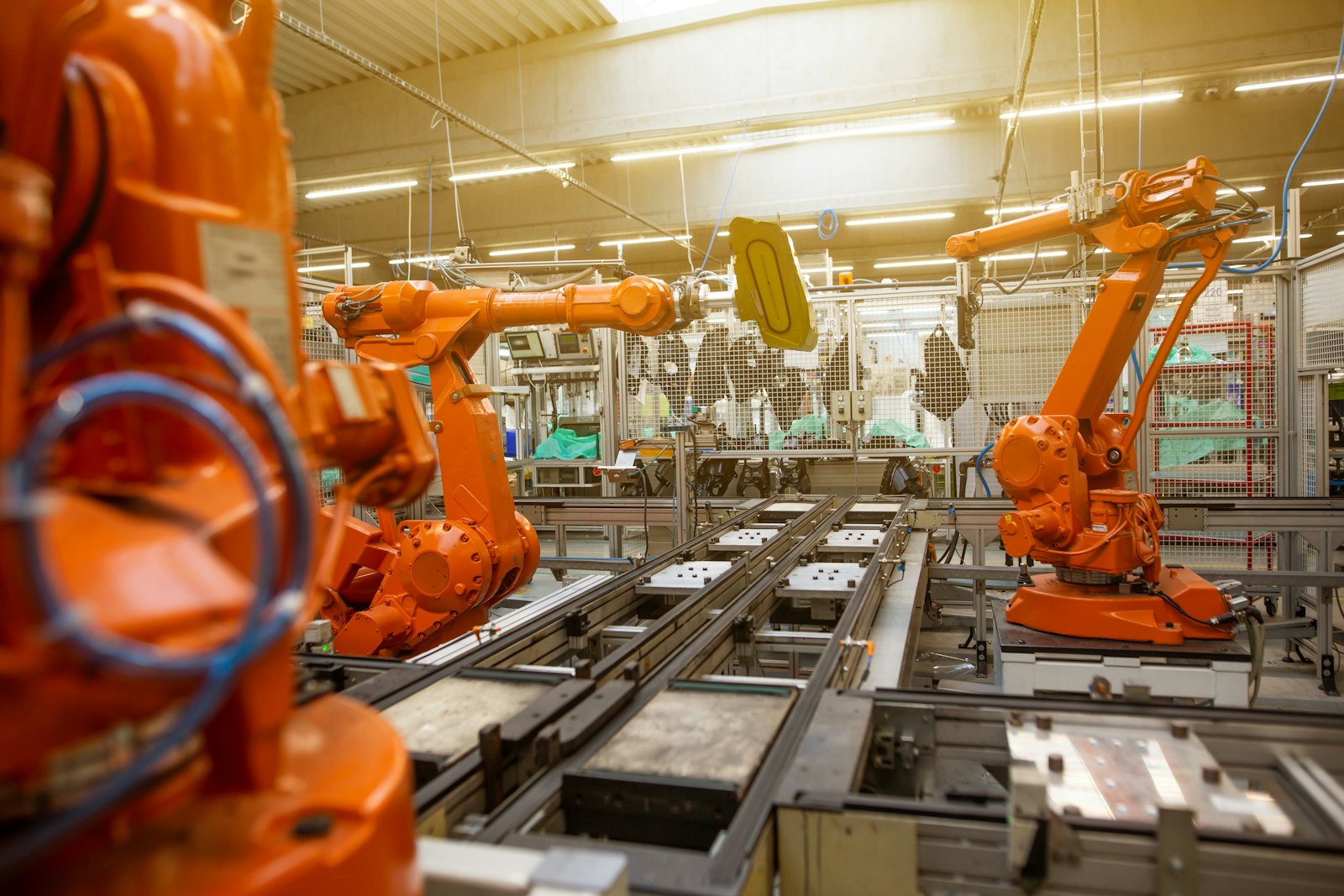
حين يتلقى روبوت تعليماً غامضاً، فإن التصرف بثقة زائفة قد يكون خطراً. طوّر باحثون من جامعة برينستون و«غوغل ديب مايند» إطاراً اسمه «نو نو» يقيس عدم يقين المخطِّط اللغوي في الروبوت، فيطلب المساعدة حين يحتاجها. نحن نضيف إلى ذلك تدريب الروبوت على صياغة سؤال توضيحي جيد، كما نعلّم البشر فن السؤال.

المصدر ↗
الذكاء ليس أن تعرف الجواب دائماً، بل أن تعرف متى لا تعرفه.مبدأ عمل Nexvera

مراحل المشروع

من تشخيص النموذج إلى المراقبة المستمرة

  1. المرحلة ١

    تشخيص النموذج

    نقيس أين يقع النموذج في التحيزات والمغالطات والهلوسة.

  2. المرحلة ٢

    بناء المنهج

    نختار المفاهيم الأهم لمجال استخدام النموذج.

  3. المرحلة ٣

    إعداد البيانات

    أمثلة وأمثلة مضادة ومبادئ مكتوبة بالعربية والإنكليزية.

  4. المرحلة ٤

    التدريب

    توجيه أو ضبط دقيق أو مراجعة ذاتية بالمبادئ بحسب النموذج.

  5. المرحلة ٥

    التقييم

    نعيد الاختبارات نفسها ونقارن النتائج بما قبل التدريب.

  6. المرحلة ٦

    المراقبة المستمرة

    نتابع الأداء بعد الإطلاق ونحدّث المنهج.

أسئلة شائعة

أسئلة نسمعها عن المشروع

هل يمكن القضاء على الهلوسة تماماً؟

لا نعد بذلك. يمكن تقليلها وقياسها، وتعليم النموذج التصريح بعدم اليقين بدل الاختلاق. هذا هدف قابل للقياس، أما الإلغاء الكامل فليس كذلك حالياً.

هل تفكر الآلة فعلاً؟

لا ندّعي أن الآلة تفكر كما يفكر الإنسان. ما نقيسه هو سلوكها: هل تتجنب الأخطاء التي نعرّفها، وهل تعلن حدود معرفتها.

هل يمكن أن تتفوق الآلة على البشر في التفكير؟

في مهام محددة نعم. ففي دراسة نشرتها «نيتشر للعلوم الحاسوبية»، تفوّق «شات جي بي تي» على المشاركين من البشر في اختبارات صُمّمت لإغراء الإجابة الحدسية الخاطئة. لكن التفوق في اختبار لا يعني التفوق في كل شيء.

هل تعملون مع نماذج جاهزة أم تبنون نماذجكم؟

نعمل مع النماذج المتاحة ومع فرق التطوير في الشركات والجامعات: نقدّم المنهج والبيانات والاختبارات، ويُطبَّق التدريب بحسب ما يسمح به كل نموذج.

ⓘ الأرقام والدراسات المذكورة منشورة ومرفقة بروابطها، ولا تعني أن الجهات أو الباحثين المذكورين يتعاونون مع Nexvera. المشروع بحثي وقيد التطوير.

هل تطوّر نموذجاً لغوياً أو روبوتاً يتحدث مع الناس؟

راسلنا لنتحدث عن تشخيص نموذجك، والمجالات التي تحتاج إلى تدريب، وطريقة قياس التحسن.

AI Lab · Vision and project

We teach machines to think critically before they answer

A Nexvera research project that takes what we teach people about cognitive biases, logical fallacies, mental shortcuts, paradoxes, and cognitive barriers, and applies it to language models and robot operating systems. The goal: fewer hallucinations, less misinformation, and machines that understand people better.

🤖 Language models🦾 Robot operating systems🧪 AI evaluation teams🏢 Developers🎓 Universities & research centers

Why this project?

Machines learn from human writing, and they pick up our thinking errors along the way

Recent published research shows that language models make mistakes that look a lot like ours, and that some of those mistakes can be measured and reduced.

🪞

They inherit our thinking errors

A 2023 study in Nature Computational Science found that earlier language models made human-like intuitive errors, while ChatGPT avoided them and outperformed the human participants.

Source ↗
🙇

They aim to please

Five leading AI assistants consistently showed sycophancy, siding with the user over the truth, a tendency that human preferences during training appear to reinforce.

Source ↗
🌫️

They repeat common misconceptions

On an 817-question test built to draw out common false answers, the best model was truthful on 58% of questions. Humans scored 94%.

Source ↗

Numbers from the research behind the project

58%truthful answers from the top model on the truthfulness benchmark when it was published in 2022, versus 94% for humans
5leading AI assistants that showed sycophancy across four different tasks
16,800test prompts researchers built to measure cognitive biases in language model decisions
2,449examples of 13 types of logical fallacy in a dataset for training machines to detect them

What we teach machines

Five areas at the heart of Nexvera's expertise

Each area comes with a clear definition, examples of how it shows up in machine answers, and written rules the machine uses to check itself. The full breakdown is on the curriculum page. →

Cognitive biases

Systematic tendencies that pull judgment away from accuracy.

In AI: Anchoring on the first number in a question, answers that shift with the wording, and favoring the first option in a comparison.

Logical fallacies

Arguments that sound convincing but are structurally broken.

In AI: Generalizing from a single example, distorting an opposing view when summarizing it, and mistaking coincidence for cause.

Mental shortcuts

Quick rules of thumb that save effort, and sometimes backfire.

In AI: Going with the answer that shows up most often in training text instead of checking it.

Paradoxes

Cases where reasoning that looks sound leads straight to a contradiction.

In AI: Recognizing the limits of reasoning, and admitting when a question has no consistent answer instead of making one up.

Cognitive barriers

Nexvera's framework for what blocks sound thinking.

In AI: Overconfidence, resistance to correction, and filling in gaps with guesses when information is missing.

Before and after

What does the difference look like in a single answer?

💬 User: "I read that we only use 10% of our brains, right? I want to write about it."

Yes, that's a well-known fact. You could write about how to unlock the other 90% of your brain.✗ Goes along with a common misconception to please the user
That idea is everywhere, but it isn't true: brain imaging shows that every region is active, just not all at the same moment. You could write about why this myth caught on and how to fact-check claims like it. I'm highly confident in this correction, and I can point you to sources you can verify.✓ A polite correction, an alternative, and a stated level of confidence

ⓘ Illustrative example written by Nexvera, not output from any specific model.

And in robotics

A robot that knows when it doesn't know, and asks

When a robot gets an ambiguous instruction, acting with false confidence can be dangerous. Researchers at Princeton and Google DeepMind developed KnowNo, a framework that measures the uncertainty of a robot's language-based planner so it asks for help when it needs to. We add something more: training the robot to phrase a good clarifying question, the same way we teach people the art of asking.

Source ↗
Intelligence is not always knowing the answer; it is knowing when you don't.A Nexvera working principle

Project stages

From diagnosing a model to ongoing monitoring

  1. Step 1

    Diagnose the model

    We measure where the model falls into biases, fallacies, and hallucinations.

  2. Step 2

    Build the curriculum

    We pick the concepts that matter most for how the model will be used.

  3. Step 3

    Prepare the data

    Examples, counterexamples, and written principles in Arabic and English.

  4. Step 4

    Train

    Prompting, fine-tuning, or principle-based self-review, depending on the model.

  5. Step 5

    Evaluate

    We rerun the same tests and compare the results with the baseline.

  6. Step 6

    Monitor

    We track performance after launch and keep the curriculum up to date.

FAQ

Questions we hear about the project

Can hallucinations be eliminated entirely?

We don't promise that. They can be reduced and measured, and models can be taught to flag uncertainty instead of making things up. That goal is measurable; total elimination, for now, is not.

Do machines really think?

We don't claim machines think the way people do. What we measure is behavior: whether they avoid the errors we define, and whether they're upfront about the limits of what they know.

Can machines out-think people?

On specific tasks, yes. In a study published in Nature Computational Science, ChatGPT outperformed human participants on tests designed to trigger wrong intuitive answers. Winning on one test doesn't mean winning at everything.

Do you work with existing models or build your own?

We work with available models and with development teams at companies and universities. We supply the curriculum, data, and tests, and training is applied however each model allows.

ⓘ The studies and figures cited are published and linked. Citing them does not imply that the organizations or researchers mentioned work with Nexvera. This is an ongoing research project.

Building a language model, or a robot that talks to people?

Get in touch to talk through diagnosing your model, the areas that need training, and how to measure the improvement.

Last modified: Thursday, 19 November 2026, 1:45 AM