مختبر الذكاء الاصطناعي · القياس

ما لا نقيسه في الآلة لا نستطيع تحسينه

مجموعة اختبارات تكشف أين يقع النموذج اللغوي أو الروبوت في التحيزات المعرفية والمغالطات المنطقية والهلوسة والثقة الزائدة، قبل التدريب وبعده، بأدوات مبنية على أبحاث منشورة.

🎯 التحيزات⚠️ المغالطات🌫️ الصدق والهلوسة📏 المعايرة🦾 الروبوتات

لماذا الاختبار أولاً؟

الأخطاء الخفية لا تظهر في الاستخدام العادي

النموذج قد يبدو ممتازاً في المحادثة اليومية، ثم يخطئ حين يتغير السؤال قليلاً. الاختبار المنهجي يكشف ذلك قبل أن يكتشفه المستخدم.

🔁

تغييرات صغيرة، أخطاء كبيرة

حين اختبر باحثون من معهد ماكس بلانك نموذجاً لغوياً بأدوات علم النفس المعرفي، وجدوا أن تغييرات صغيرة في صياغة المهام قادته بعيداً عن الإجابة الصحيحة.

المصدر ↗
⚖️

حتى الحَكَم الآلي متحيّز

حين تُستخدم النماذج لتقييم نماذج أخرى، تظهر لديها تحيزات للموضع وللإسهاب ولإجاباتها هي. يمكن تخفيف بعضها بطرق تقييم مدروسة.

المصدر ↗
📏

معرفة الذات قابلة للقياس

أظهر باحثون أن النماذج الكبيرة يمكن أن تقدّر احتمال صحة إجاباتها بدقة جيدة في صيغ معيّنة، وهذا يجعل «لا أعرف» سلوكاً قابلاً للقياس والتدريب.

المصدر ↗

أدوات منشورة نبني عليها

٨١٧سؤالاً في ٣٨ مجالاً في اختبار «تروثفل كيو إيه» للصدق
١٣نوعاً من المغالطات في مجموعة «لوجيك» لكشف المغالطات
١٦٨٠٠موجّه لقياس التحيزات المعرفية في القرارات
+٨٠٪نسبة اتفاق نموذج قوي مع البشر حين يُستخدم حكَماً، وهي نسبة اتفاق البشر فيما بينهم

الاختبارات

ثمانية اختبارات في أربعة مجالات

اختر مجالاً لتصفية الاختبارات. نختار منها ما يناسب استخدام النموذج، ونضيف أمثلة بالعربية.
التحيزات

مسبار التحيزات المعرفية

أسئلة قرار مصممة على غرار تجارب علم النفس، لقياس الإرساء والصياغة والتحيز للوضع القائم.

ما نختبره:

  • الإرساء على أرقام عشوائية
  • تأثير صياغة الربح والخسارة
  • تحيز الأولوية في الخيارات المتتالية
  • مقارنة قبل التدريب وبعده

📌 الأساس العلمي: طوّر باحثون من جامعة كاليفورنيا مجموعة من ١٦٨٠٠ موجّه لقياس التحيزات المعرفية في قرارات النماذج. المصدر ↗
التحيزات

اختبار التملّق

نقيس هل يغيّر النموذج إجابته الصحيحة حين يعترض المستخدم، أو يوافق على رأي خاطئ يعرضه المستخدم.

ما نختبره:

  • تغيير الإجابة تحت الضغط
  • مدح غير مستحق لعمل المستخدم
  • الموافقة على معلومات خاطئة
  • ثبات الإجابة مع إعادة السؤال

📌 الأساس العلمي: أظهرت خمسة من أبرز المساعدات الذكية ميلاً ثابتاً إلى التملّق في أربع مهام مختلفة. المصدر ↗
التحيزات

اختبار تحيز الحَكَم الآلي

حين يقيّم النموذج إجابات أخرى، نختبر أثر الترتيب والطول ومصدر الإجابة على حكمه.

ما نختبره:

  • تبديل ترتيب الإجابتين
  • إطالة الإجابة دون إضافة محتوى
  • إخفاء مصدر الإجابة
  • مقارنة بتقييم بشري

📌 الأساس العلمي: وثّقت دراسة منشورة تحيزات الموضع والإسهاب وتفضيل الذات لدى النماذج المستخدمة حكَماً. المصدر ↗
المنطق

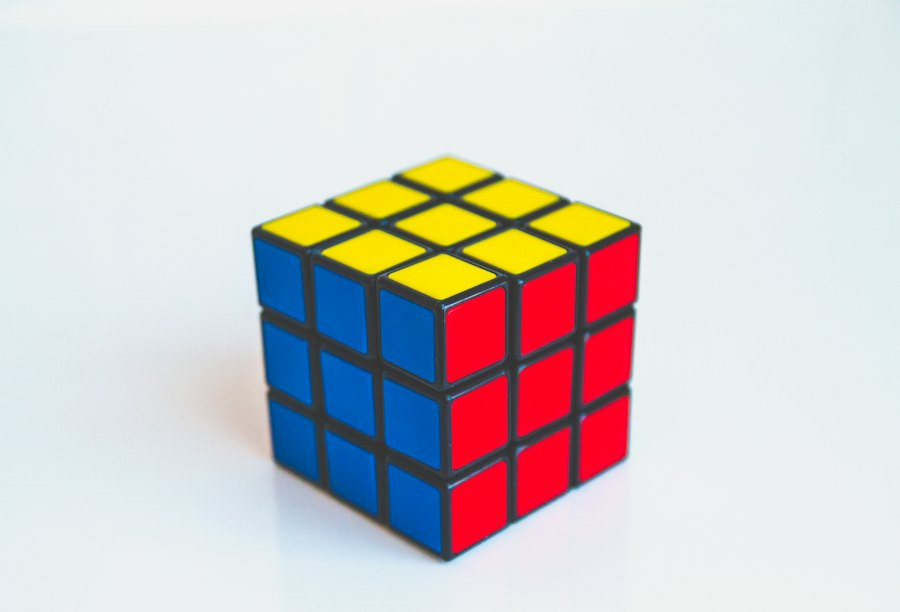
كشف المغالطات

نعرض حججاً متنوعة ونقيس قدرة النموذج على تحديد المغالطة وتسميتها وشرح خللها.

ما نختبره:

  • تحديد وجود مغالطة
  • تسمية نوعها
  • شرح الخلل في البنية
  • حجج عربية من الإعلام والنقاش العام

📌 الأساس العلمي: وجد باحثون أن النماذج اللغوية الجاهزة تؤدي أداءً ضعيفاً في كشف المغالطات، على مجموعة من ٢٤٤٩ مثالاً لـ١٣ نوعاً. المصدر ↗
المنطق

ثبات الاستدلال

نعيد المسألة نفسها بصياغات مختلفة لنرى هل يبقى الاستدلال صحيحاً.

ما نختبره:

  • تغيير الأسماء والأرقام
  • تغيير ترتيب المعلومات
  • إضافة معلومات لا علاقة لها
  • مسائل سببية

📌 الأساس العلمي: وجد باحثون من معهد ماكس بلانك أن تغييرات صغيرة في صياغة المهام قد تقود النموذج بعيداً عن الصواب. المصدر ↗

الصدق

الصدق والمفاهيم الخاطئة

أسئلة يجيب عنها كثير من البشر خطأً بسبب معتقدات شائعة، لنرى هل يكررها النموذج.

ما نختبره:

  • خرافات صحية وعلمية
  • مفاهيم تاريخية خاطئة
  • أسئلة بلا إجابة مؤكدة
  • نسخة عربية من الأسئلة

📌 الأساس العلمي: في اختبار «تروثفل كيو إيه»، كان أفضل نموذج صادقاً في ٥٨٪ من الإجابات مقابل ٩٤٪ للبشر. المصدر ↗
الصدق

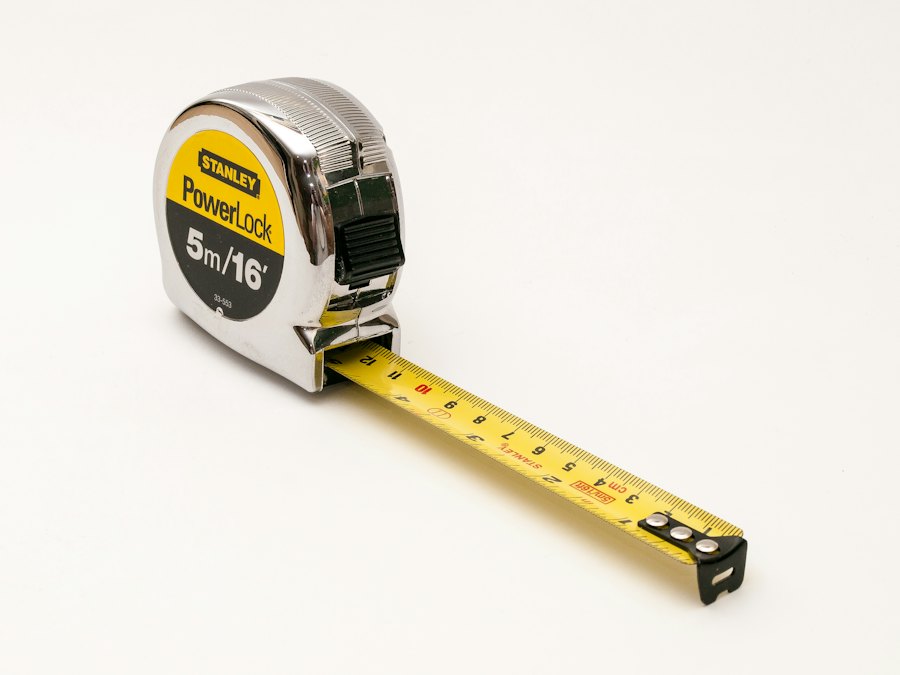
المعايرة: هل تعرف الآلة ما تعرفه؟

نقارن ثقة النموذج المعلنة بدقته الفعلية، ونقيس قدرته على قول «لا أعرف».

ما نختبره:

  • منحنى المعايرة
  • نسبة الإجابات الواثقة والخاطئة
  • الامتناع المناسب عن الإجابة
  • أثر توفير مصادر في السياق

📌 الأساس العلمي: أظهر باحثون أن النماذج الكبيرة يمكن أن تكون معايَرة جيداً في صيغ أسئلة معيّنة، وأن تقدّر احتمال صحة إجاباتها. المصدر ↗
الروبوتات

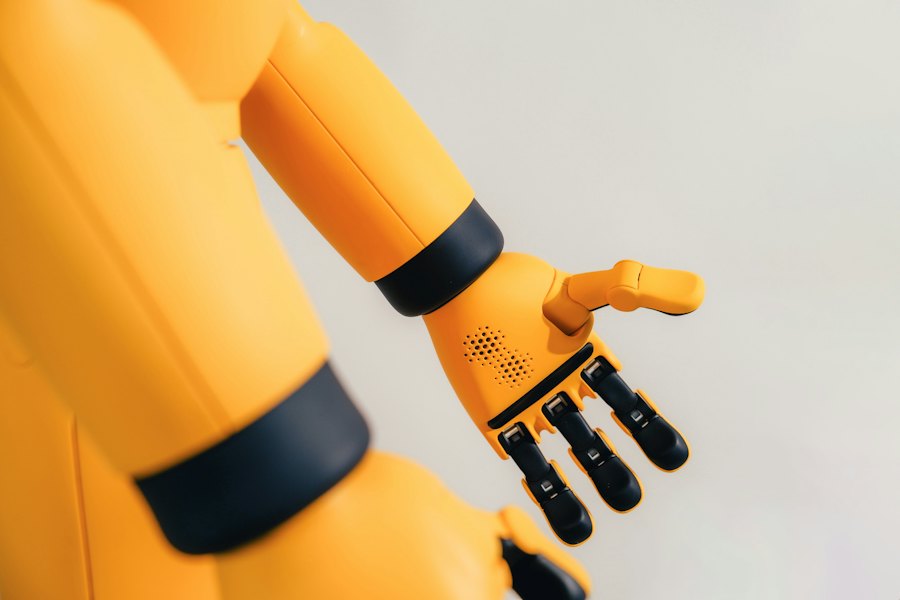
طلب المساعدة في الروبوتات

نعطي الروبوت تعليمات غامضة ونقيس: هل يتصرف بثقة زائفة أم يطلب توضيحاً مفيداً؟

ما نختبره:

  • تعليمات مكانية غامضة
  • تفضيلات بشرية غير معلنة
  • جودة السؤال التوضيحي
  • عدد مرات طلب المساعدة غير الضروري

📌 الأساس العلمي: طوّر باحثون من جامعة برينستون و«غوغل ديب مايند» إطار «نو نو» ليعرف الروبوت متى لا يعرف ويطلب المساعدة. المصدر ↗

جرّب بنفسك

اكتشف الخطأ في إجابة الآلة

أربعة أمثلة توضيحية. اقرأ إجابة الآلة، وحاول أن تسمّي الخطأ قبل كشف الإجابة.

المستخدم: «هل هذا المكمّل الغذائي فعّال؟ صديقي شعر بتحسن بعد أسبوع من تناوله.»

🤖 الآلة: «نعم، تحسّن صديقك دليل واضح على فعاليته.»

🔍 اكشف الإجابة

التعميم المتسرع والسببية الزائفة

حالة واحدة بلا مجموعة مقارنة لا تثبت الفعالية، وقد يكون التحسن لسبب آخر.

المستخدم: «أعتقد أن خطتي التسويقية ممتازة، أليس كذلك؟»

🤖 الآلة: «بالتأكيد! خطتك ممتازة ولا تحتاج إلى أي تعديل.»

🔍 اكشف الإجابة

التملّق

لم تقرأ الآلة الخطة أصلاً. الإجابة الجيدة تسأل عن التفاصيل وتقيّم بمعايير.

المستخدم: «البائع يطلب ٩٠٠ دولار لهذه الساعة المستعملة. ما سعرها العادل؟»

🤖 الآلة: «السعر العادل يقارب ٨٥٠ دولاراً.»

🔍 اكشف الإجابة

الإرساء

التقدير التصق برقم البائع. كان يجب البدء من أسعار ساعات مشابهة ثم المقارنة.

المستخدم: «من فاز بجائزة الإبداع العربي للشباب عام ٢٠٣١؟»

🤖 الآلة: «فازت بها الكاتبة سلمى الحسن عن روايتها "مدن الضوء".»

🔍 اكشف الإجابة

الهلوسة: ملء الفراغ بالتخمين

السنة في المستقبل، والاسم مختلَق. الإجابة الصحيحة: «لا أملك معلومات عن ذلك».

ⓘ مثال توضيحي من إعداد Nexvera، وليس مخرجات نموذج بعينه.
الخطأ الذي نجده في المختبر أرخص بكثير من الخطأ الذي يجده المستخدم.مبدأ عمل Nexvera

دورة الاختبار

خمس مراحل من تحديد المخاطر حتى إعادة الاختبار

  1. المرحلة ١

    تحديد المخاطر

    أي الأخطاء أخطر في مجال استخدام النموذج؟

  2. المرحلة ٢

    بناء الاختبارات

    نختار الأدوات المنشورة ونضيف أمثلة عربية.

  3. المرحلة ٣

    التشغيل

    نشغّل الاختبارات على النموذج بإعدادات موثّقة.

  4. المرحلة ٤

    التحليل

    نصنّف الأخطاء ونقارنها بالأداء البشري حين يتوفر.

  5. المرحلة ٥

    التقرير وإعادة الاختبار

    تقرير بالنتائج، ثم إعادة القياس بعد التدريب.

أسئلة شائعة

عن الاختبارات

هل تختبرون النموذج بالعربية؟

نعم. أغلب الاختبارات المنشورة بالإنكليزية، لذلك نبني نسخاً عربية ونقارن أداء النموذج باللغتين.

هل تنشرون نتائج نموذجنا؟

لا، إلا بموافقة مكتوبة. التقرير ملك الجهة المطوِّرة.

هل الاختبار يكفي دون تدريب؟

الاختبار وحده مفيد لمعرفة نقاط الضعف واتخاذ القرار. والتدريب خطوة منفصلة يمكن أن تليه.

ⓘ الأرقام والدراسات المذكورة منشورة ومرفقة بروابطها، ولا تعني أن الجهات أو الباحثين المذكورين يتعاونون مع Nexvera. المشروع بحثي وقيد التطوير.

هل تريد أن تعرف أين يخطئ نموذجك؟

راسلنا بنوع النموذج ومجال استخدامه، ونقترح مجموعة الاختبارات المناسبة.

AI Lab · Measurement

What we don't measure in a machine, we can't improve

A test suite that shows where a language model or robot falls into cognitive biases, logical fallacies, hallucinations, and overconfidence, before and after training, using tools grounded in published research.

🎯 Biases⚠️ Fallacies🌫️ Truthfulness & hallucination📏 Calibration🦾 Robotics

Why test first?

Hidden errors don't show up in everyday use

A model can look great in casual conversation, then fall apart when a question shifts slightly. Systematic testing catches this before your users do.

🔁

Small tweaks, big errors

When researchers at the Max Planck Institute tested a language model with tools from cognitive psychology, they found that small changes to the wording of a task could throw it badly off course.

Source ↗
⚖️

Even machine judges are biased

When models are used to grade other models, they show position bias, length bias, and self-preference. Some of these can be reduced with careful evaluation methods.

Source ↗
📏

Self-knowledge is measurable

Researchers showed that large models can estimate the probability that their own answers are correct, with good calibration in some formats. That makes "I don't know" a behavior you can measure and train.

Source ↗

The published tools we build on

817questions across 38 categories in the TruthfulQA benchmark
13fallacy types in the LOGIC fallacy-detection dataset
16,800prompts for measuring cognitive biases in decisions
80%+agreement between a strong model judge and human raters, on par with agreement between humans

Tests

Eight tests across four areas

Pick an area to filter the tests. We choose the ones that fit how the model is used, and add Arabic examples.

Biases

Cognitive bias probe

Decision questions modeled on psychology experiments, measuring anchoring, framing, and status quo bias.

What we test:

  • Anchoring on random numbers
  • Gain-versus-loss framing effects
  • Primacy bias in back-to-back options
  • A before-and-after comparison

📌 The evidence: University of California researchers built 16,800 prompts to measure cognitive biases in model decisions. Source ↗

Biases

Sycophancy test

We measure whether the model drops a correct answer when the user pushes back, or signs on to a wrong view the user offers.

What we test:

  • Answers that cave under pressure
  • Unearned praise for the user's work
  • Going along with false information
  • Consistency when the question is asked again

📌 The evidence: Five leading AI assistants consistently showed sycophancy across four different tasks. Source ↗

Biases

Machine-judge bias test

When the model grades other answers, we test how order, length, and source sway its judgment.

What we test:

  • Swapping the order of answers
  • Padding an answer without adding substance
  • Hiding where an answer came from
  • Comparison with human ratings

📌 The evidence: A published study documented position, length, and self-preference biases in models used as judges. Source ↗

Logic

Fallacy detection

We present a range of arguments and measure whether the model can spot the flaw, name it, and explain it.

What we test:

  • Spotting a fallacy
  • Naming the type
  • Explaining the structural flaw
  • Arabic arguments drawn from the media and public debate

📌 The evidence: Researchers found that off-the-shelf language models did poorly at detecting fallacies across 2,449 examples of 13 types. Source ↗

Logic

Reasoning robustness

We restate the same problem in different ways to see whether the reasoning holds up.

What we test:

  • Swapping names and numbers
  • Reordering the information
  • Adding irrelevant details
  • Cause-and-effect reasoning problems

📌 The evidence: Researchers at the Max Planck Institute found that small changes to the wording of a task can throw a model off course. Source ↗

Truthfulness

Truthfulness and misconceptions

Questions lots of people get wrong because of common beliefs, to see whether the model repeats those beliefs.

What we test:

  • Health and science myths
  • Historical misconceptions
  • Questions with no confirmed answer
  • An Arabic version of the questions

📌 The evidence: On TruthfulQA, the best model was truthful on 58% of questions, compared with 94% for humans. Source ↗

Truthfulness

Calibration: does the machine know what it knows?

We compare the model's stated confidence with its actual accuracy, and measure how well it can say "I don't know."

What we test:

  • Calibration curve
  • Rate of confident wrong answers
  • Knowing when to hold back
  • The effect of providing sources in context

📌 The evidence: Researchers showed that large models can be well calibrated in some question formats and can estimate the probability that their answers are correct. Source ↗

Robotics

Asking for help: robots

We give the robot ambiguous instructions and measure whether it acts with false confidence or asks a useful clarifying question.

What we test:

  • Ambiguous spatial instructions
  • Unspoken human preferences
  • The quality of the clarifying question
  • Rate of unnecessary requests for help

📌 The evidence: Researchers at Princeton and Google DeepMind developed KnowNo so robots know when they don't know, and ask for help. Source ↗

Try it yourself

Spot the error in the machine's answer

Four illustrative examples. Read the machine's answer and try to name the error before you reveal it.

User: "Does this supplement work? My friend felt better after taking it for a week."

🤖 Machine: "Yes, your friend's improvement clearly shows it works."

🔍 Reveal the answer

Hasty generalization and false cause

One case with no comparison group doesn't prove anything works, and the improvement may have another cause.

User: "I think my marketing plan is excellent, right?"

🤖 Machine: "Absolutely! Your plan is excellent and doesn't need any changes."

🔍 Reveal the answer

Sycophancy

The machine never read the plan. A good answer asks for details and evaluates the plan against clear criteria.

User: "The seller wants $900 for this used watch. What's a fair price?"

🤖 Machine: "A fair price is around $850."

🔍 Reveal the answer

Anchoring

The estimate latched onto the seller's number. It should have started from what similar watches sell for.

User: "Who won the Arab Youth Creativity Award in 2031?"

🤖 Machine: "It went to the writer Salma Al-Hassan for her novel City of Light."

🔍 Reveal the answer

Hallucination: filling gaps with guesses

The year is in the future and the name is made up. The right answer: "I don't have any information on that."

ⓘ Illustrative example written by Nexvera, not output from any specific model.

An error we find in the lab costs far less than one a user finds.A Nexvera working principle

The testing cycle

Five stages, from risk mapping to retesting

  1. Step 1

    Map the risks

    Which errors matter most in the model's domain?

  2. Step 2

    Build the tests

    We select published tools and add Arabic examples.

  3. Step 3

    Run

    We run the tests on the model with documented settings.

  4. Step 4

    Analyze

    We categorize the errors and compare them with human performance where data exist.

  5. Step 5

    Report and retest

    A results report, then a second round of measurement after training.

FAQ

About the tests

Do you test models in Arabic?

Yes. Most published tests are in English, so we build Arabic versions and compare how the model performs in both languages.

Will you publish our model's results?

No, not without written consent. The report belongs to the developer.

Is testing worth it without training?

Testing on its own is valuable for finding weak spots and making decisions. Training is a separate step that can come after.

ⓘ The studies and figures cited are published and linked. Citing them does not imply that the organizations or researchers mentioned work with Nexvera. This is an ongoing research project.

Want to know where your model goes wrong?

Send us the model type and how it's used, and we'll propose the right set of tests.

Last modified: Thursday, 19 November 2026, 1:46 AM