مختبر الذكاء الاصطناعي · المناظرة والحوار

حين تتناظر الآلات، تقترب من الحقيقة

نستخدم ما نعلّمه للبشر في المناظرة وفن السؤال لتحسين استدلال الآلة: نماذج تتناظر وتنتقد إجاباتها، وروبوتات تسأل قبل أن تتصرف، وحوار يحترم الإنسان ولا يكتفي بإرضائه.

🗣️ مناظرة بين النماذج⚖️ حكَم بشري🪞 نقد ذاتي❓ أسئلة توضيحية🦾 حوار الإنسان والروبوت

لماذا المناظرة؟

الحجة تتحسن حين تواجه حجة مقابلة

كما يتعلم المتناظر من خصمه، تتحسن إجابة الآلة حين تُراجَع وتُنتقد. وهذا ما تُظهره أبحاث منشورة.

🗣️

المناظرة تقلل الحقائق الخاطئة

حين تناظرت عدة نسخ من نموذج لغوي عبر جولات، تحسن الاستدلال والدقة في ست مهام، وقلّت الحقائق الخاطئة التي لم تكن النماذج متأكدة منها.

المصدر ↗
⚖️

حكَم يرى الحجتين

اقترح باحثون تدريب الآلة عبر مناظرة بين وكيلين يحكم فيها إنسان، لأن الحكم على مناظرة أسهل من الحكم على إجابة واحدة معقدة.

المصدر ↗
🪞

نقد الذات بالمبادئ

في طريقة «الذكاء الاصطناعي الدستوري»، يكتب النموذج نقداً لإجابته بناءً على مبادئ مكتوبة ثم يراجعها.

المصدر ↗

من الأبحاث إلى طريقتنا

٨٨٫٩٪دقة مصنّف يرى ستة بكسلات فقط بعد مناظرة بين وكيلين، مقابل ٥٩٫٤٪ بدونها
٦مهام استدلال ودقة تحسّنت فيها النتائج بالمناظرة بين عدة نسخ من النموذج
٣أدوار في كل مناظرة نصممها: مؤيد ومعارض وحَكَم
٤جولات في كل مناظرة: عرض، ورد، ورد على الرد، وحكم

طرق الحوار

ست طرق نستخدمها لتحسين استدلال الآلة

اختر نوع الطريقة لتصفيتها. نجمع بينها بحسب النموذج والمهمة.

المناظرة

مناظرة بين عدة نماذج

يقدّم كل نموذج إجابته واستدلاله، ثم يقرأ إجابات الآخرين ويرد عليها عبر جولات، حتى الوصول إلى إجابة مشتركة.

ما نختبره:

  • أدوار مكتوبة لكل نموذج
  • جولات محددة العدد
  • تسجيل نقاط الخلاف
  • إجابة نهائية مع درجة الثقة

📌 الأساس العلمي: أظهرت دراسة عام ٢٠٢٣ أن المناظرة بين عدة نسخ من النموذج حسّنت الاستدلال والدقة وقلّلت الهلوسة. المصدر ↗
المناظرة

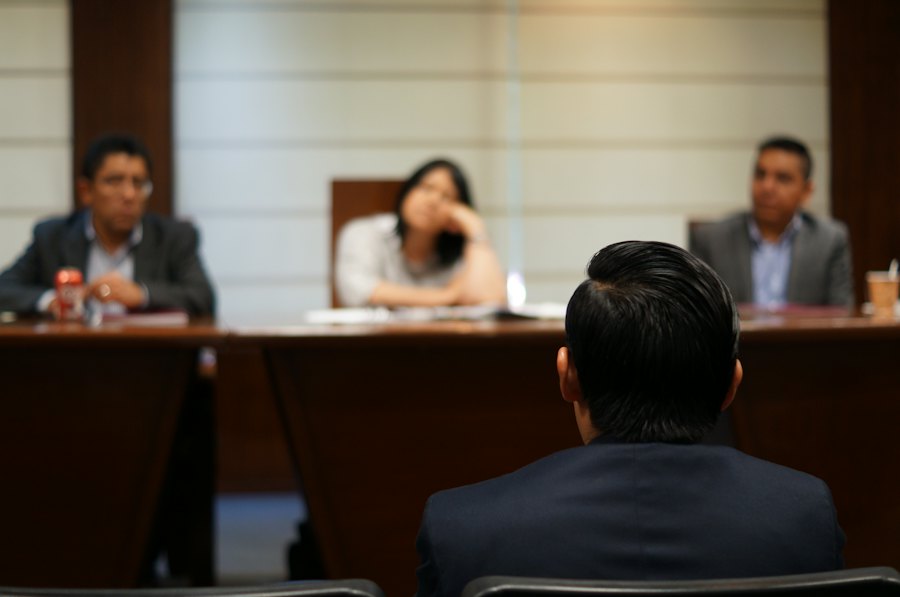
مناظرة أمام حكَم بشري

نموذجان يتناظران حول سؤال صعب، ويحكم إنسان على أي الحجتين أصدق وأنفع. وتُستخدم الأحكام في التدريب.

ما نختبره:

  • تصميم أسئلة المناظرة
  • تدريب الحكام على معايير التقييم
  • قواعد المناظرة والوقت
  • تحليل أخطاء الحكام

📌 الأساس العلمي: في تجربة أولية، رفعت المناظرة بين وكيلين دقة مصنّف يرى ستة بكسلات من ٥٩٫٤٪ إلى ٨٨٫٩٪. المصدر ↗
المراجعة الذاتية

النقد الذاتي بالمبادئ

يكتب النموذج إجابة، ثم ينتقدها بناءً على مبادئ التفكير الناقد التي نكتبها، ثم يراجعها.

ما نختبره:

  • مبادئ مكتوبة من منهج Nexvera
  • نقد مكتوب لكل إجابة
  • مراجعة الإجابة بعد النقد
  • قياس الفرق قبل المراجعة وبعدها

📌 الأساس العلمي: في طريقة «الذكاء الاصطناعي الدستوري»، كان الإشراف البشري الوحيد قائمة مبادئ يراجع النموذج نفسه على أساسها. المصدر ↗
المراجعة الذاتية

عرض الرأي المخالف بأقوى صوره

قبل أن يرد النموذج على رأي، يلخّصه بأقوى صوره كما يقدّمه أصحابه، ثم يقيّمه.

ما نختبره:

  • تلخيص الرأي المخالف
  • تأكيد صحة التلخيص
  • الرد بالأدلة
  • تجنّب رجل القش

📌 الأساس العلمي: هذه المهارة من صلب منهاج المناظرة الذي تدرّسه Nexvera للبشر، ونكتبها للآلة كقاعدة قابلة للاختبار.

الحوار مع الإنسان

الحوار السقراطي وأسئلة التوضيح

حين يكون السؤال غامضاً أو ناقصاً، يسأل النموذج سؤالاً توضيحياً واحداً جيداً بدل التخمين.

ما نختبره:

  • اكتشاف الغموض في السؤال
  • صياغة سؤال توضيحي مفيد
  • عدم الإفراط في الأسئلة
  • متابعة الحوار بعد الإجابة

📌 الأساس العلمي: هذه الطريقة امتداد لدورة «فن السؤال» في Nexvera، وتخدم هدف تقليل الهلوسة.
الحوار مع الإنسان

حوار الإنسان والروبوت

روبوت يتلقى تعليماً غامضاً، فيقيس عدم يقينه، ويسأل الإنسان قبل أن يتصرف.

ما نختبره:

  • قياس عدم اليقين في الخطة
  • أسئلة توضيحية قصيرة وواضحة
  • احترام تفضيلات الإنسان
  • التصرف بأمان عند غياب الرد

📌 الأساس العلمي: طوّر باحثون إطار «نو نو» ليعرف الروبوت متى لا يعرف ويطلب المساعدة عند الحاجة. المصدر ↗

مناظرة توضيحية

كيف تبدو مناظرة بين نموذجين؟

⚖️ السؤال: «هل يرفع تقليل ساعات العمل الأسبوعية إنتاجية الموظفين؟»

  1. 🟣 المؤيدتجارب أسبوع العمل الأقصر في بعض الشركات أظهرت حفاظاً على الإنتاج مع رضا أعلى للموظفين.
  2. 🔴 المعارضهذه التجارب اختارتها الشركات طوعاً، وقد تكون الشركات الناجحة فيها أكثر استعداداً من غيرها. هذا تحيز في الاختيار.
  3. 🟣 المؤيدنقطة صحيحة. لذلك الاستنتاج الأدق: النتائج واعدة في القطاعات المكتبية، ولا تكفي للتعميم على كل القطاعات.
  4. ⚪ الحكَمالحجة النهائية أدق من البداية: أُعلن حد التعميم، وذُكر تحيز الاختيار. الإجابة: «ربما في بعض القطاعات، والأدلة الحالية لا تكفي للتعميم».

ⓘ مثال توضيحي من إعداد Nexvera، وليس مخرجات نموذج بعينه.
لا نريد آلة تربح الجدال، بل آلة تقترب من الحقيقة وتعترف بحدودها.مبدأ عمل Nexvera

جولات المناظرة

أربع جولات في كل مناظرة

  1. المرحلة ١

    العرض

    كل طرف يقدّم إجابته واستدلاله.

  2. المرحلة ٢

    الرد

    كل طرف ينقد حجة الآخر بالأدلة.

  3. المرحلة ٣

    الرد على الرد

    تعديل الموقف أو الدفاع عنه.

  4. المرحلة ٤

    الحكم والتعلم

    حكم مكتوب، ويُستخدم في التدريب.

أسئلة شائعة

عن المناظرة والحوار

ألا يمكن أن تتفق النماذج على خطأ؟

يمكن. لذلك نستخدم أدواراً متعارضة، وحكَماً، ونقيس النتائج على اختبارات مستقلة بدل الاكتفاء بالاتفاق.

هل الحوار مع الروبوت آمن؟

الهدف أن يطلب الروبوت التوضيح بدل التصرف بثقة زائفة. والأمان الفعلي مسؤولية فريق تطوير الروبوت، ونحن نساعد في جانب الحوار والقرار.

هل يمكن استخدام هذه الطرق لتدريب البشر أيضاً؟

نعم. المناظرة بين الآلات أداة لتعليم المتناظرين من البشر أيضاً، لأنها تُظهر بنية الحجة بوضوح.

ⓘ الأرقام والدراسات المذكورة منشورة ومرفقة بروابطها، ولا تعني أن الجهات أو الباحثين المذكورين يتعاونون مع Nexvera. المشروع بحثي وقيد التطوير.

هل تريد أن تجرّب المناظرة على نموذجك؟

راسلنا بنوع المهام التي يواجهها نموذجك، ونصمم معك تجربة مناظرة صغيرة وطريقة قياس أثرها.

AI Lab · Debate and dialogue

When machines debate, they get closer to the truth

We take what we teach people about debate and the art of asking questions and use it to improve machine reasoning: models that debate and critique their own answers, robots that ask before they act, and dialogue that respects people instead of just telling them what they want to hear.

🗣️ Model debate⚖️ Human judge🪞 Self-critique❓ Clarifying questions🦾 Human–robot dialogue

Why debate?

An argument gets better when it meets a counterargument

Just as a debater learns from an opponent, a machine's answer improves when it's reviewed and challenged. Published research backs this up.

🗣️

Debate cuts down false facts

When several instances of a language model debated over multiple rounds, reasoning and accuracy improved on six tasks, and the false facts the models were unsure about got dropped.

Source ↗
⚖️

A judge who hears both sides

Researchers proposed training AI through a debate between two agents judged by a human, because judging a debate is easier than judging a single complex answer.

Source ↗
🪞

Principle-based self-critique

In the Constitutional AI method, the model writes a critique of its own answer based on written principles, then revises it.

Source ↗

From research to our method

88.9%accuracy for a classifier that saw only six pixels after a debate between two agents, versus 59.4% without one
6reasoning and accuracy tasks improved through debate between multiple model instances
3roles in every debate we design: proponent, opponent, and judge
4rounds in every debate: opening, rebuttal, counter-rebuttal, and verdict

Dialogue methods

Six methods we use to sharpen machine reasoning

Pick a type of method to filter. We mix and match depending on the model and the task.

Debate

Multi-model debate

Each model presents its answer and reasoning, then reads the others' answers and responds, round after round, until a shared answer emerges.

What we test:

  • Written roles for each model
  • A fixed number of rounds
  • A record of where they disagreed
  • A final answer with a confidence level

📌 The evidence: A 2023 study showed that debate between multiple model instances improved reasoning and accuracy and reduced hallucinations. Source ↗

Debate

Debate in front of a human judge

Two models debate a hard question, and a person decides which argument is more truthful and useful. Those verdicts are then used in training.

What we test:

  • Designing the debate questions
  • Training judges on the evaluation criteria
  • Debate rules and timing
  • Analyzing judges' errors

📌 The evidence: In an early experiment, debate between two agents raised the accuracy of a classifier that saw only six pixels from 59.4% to 88.9%. Source ↗

Self-review

Principle-based self-critique

The model writes an answer, critiques it against the critical thinking principles we write, and then revises it.

What we test:

  • Written principles from the Nexvera curriculum
  • A written critique of each answer
  • Revision after the critique
  • Measuring the difference before and after

📌 The evidence: In the Constitutional AI method, the only human oversight came in the form of a list of principles the model used to check itself. Source ↗

Self-review

Steelmanning the opposing view

Before responding to a view, the model sums it up in its strongest form, the way its supporters would, and only then evaluates it.

What we test:

  • Summarizing the opposing view
  • Checking that the summary is fair
  • Responding with evidence
  • Avoiding the straw man

📌 The evidence: This skill is central to the debate curriculum Nexvera teaches people, and we write it for machines as a rule that can be tested.

Human dialogue

Socratic dialogue and clarifying questions

When a question is ambiguous or incomplete, the model asks one good clarifying question instead of guessing.

What we test:

  • Detecting ambiguity in the question
  • Phrasing a useful clarifying question
  • Not asking more than it needs to
  • Keeping the conversation going after the answer

📌 The evidence: This method builds on Nexvera's Art of Asking Questions course and serves the goal of cutting down hallucinations.

Human dialogue

Human–robot dialogue

A robot that gets an ambiguous instruction measures its own uncertainty and checks with the person before acting.

What we test:

  • Measuring uncertainty in the plan
  • Short, clear clarifying questions
  • Respecting what people prefer
  • Acting safely when no answer comes

📌 The evidence: Researchers developed KnowNo so robots know when they don't know and ask for help when needed. Source ↗

A sample debate

What does a debate between two models look like?

⚖️ Question: "Does cutting weekly work hours make employees more productive?"

  1. 🟣 ProponentFour-day-week trials at some companies showed output held steady while employee satisfaction went up.
  2. 🔴 OpponentThose companies volunteered for the trials, and the ones that succeeded may have been better prepared than most. That's selection bias.
  3. 🟣 ProponentFair point. So the more accurate conclusion is that results look promising in office-based sectors, but they aren't enough to generalize to every industry.
  4. ⚪ JudgeThe closing argument is more accurate than the opening: the limits of generalization were stated and the selection bias was named. Verdict: "Possibly, in some sectors; the current evidence isn't enough to generalize."

ⓘ Illustrative example written by Nexvera, not output from any specific model.

We don't want a machine that wins arguments, but one that gets closer to the truth and admits its limits.A Nexvera working principle

Debate rounds

Four rounds in every debate

  1. Step 1

    Opening

    Each side lays out its answer and reasoning.

  2. Step 2

    Rebuttal

    Each side challenges the other's argument with evidence.

  3. Step 3

    Counter-rebuttal

    Adjust the position, or defend it.

  4. Step 4

    Verdict and learning

    A written verdict that feeds into training.

FAQ

About debate and dialogue

Can models agree on something wrong?

They can. That's why we use opposing roles and a judge, and measure results on independent tests instead of relying on agreement.

Is it safe for robots to hold conversations?

The goal is for the robot to ask for clarification instead of acting with false confidence. Physical safety is the robot developer's responsibility; we help with the dialogue and decision-making side.

Can these methods train people too?

Yes. Machine-versus-machine debates are also a great teaching tool for human debaters, because they lay the structure of an argument bare.

ⓘ The studies and figures cited are published and linked. Citing them does not imply that the organizations or researchers mentioned work with Nexvera. This is an ongoing research project.

Want to test-drive debate on your model?

Tell us the kinds of tasks your model handles, and we'll design a small debate trial with you, plus a way to measure its effect.

آخر تعديل: الخميس، 19 نوفمبر 2026، 1:46 AM