نعمل مع الوزارات والبلديات والهيئات الرقابية والمؤسسات العامة في الدراسات والاستشارات وتدريب الكوادر وتأهيل الموارد البشرية والحوكمة والنزاهة والشفافية، اعتماداً على علوم التفكير والقرار والأدلة المنشورة.
🏛️ الوزارات🏙️ البلديات والإدارة المحلية⚖️ الهيئات الرقابية🗳️ المجالس النيابية🎓 معاهد الإدارة العامة🤝 المنظمات الدولية
لماذا الآن؟
لماذا تحتاج الجهات الحكومية إلى منهج في التفكير والقرار؟
القرار العام يمسّ حياة الملايين، ويُتخذ غالباً تحت ضغط الوقت والمعلومات الناقصة والضجيج الإعلامي. والأدلة تُظهر أن الخبراء أنفسهم عرضة للتحيزات.
🧠
الخبرة لا تحمي من التحيز
أظهرت تجارب على موظفين في البنك الدولي ووزارة التنمية الدولية البريطانية أنهم يفسّرون البيانات نفسها بشكل مختلف حين تمسّ قناعاتهم، وأن النقاش المنظّم خفّف بعض هذه التحيزات.
٣٩٪نسبة من عبّروا عن ثقة مرتفعة أو متوسطة بحكوماتهم الوطنية في ٣٠ دولة (٢٠٢٣)
١٣مبدأ في توصية منظمة التعاون الاقتصادي والتنمية للنزاهة العامة (٢٠١٧)
١٩٢دولة طرف في اتفاقية الأمم المتحدة لمكافحة الفساد
٢٨٩عملية تشاور تداولي مع المواطنين رصدتها المنظمة بين ١٩٨٦ و٢٠١٩
الخدمات
ما الذي نقدمه للجهات الحكومية والرسمية
اختر مجالاً لتصفية الخدمات. كل خدمة تُصمَّم بحسب الجهة وأهدافها، وتُحدَّد مخرجاتها كتابياً قبل البدء.
دراسات واستشارات🔎
الدراسات والأبحاث التطبيقية
دراسات ميدانية تقيس ما يفكر فيه الجمهور والموظفون فعلاً، بدل الاعتماد على الانطباعات.
ما تحصل عليه:
مسوح الثقة والرضا عن الخدمات
دراسة بيئة المعلومات والشائعات حول قضية معيّنة
تحليل كيفية اتخاذ القرار داخل الجهة
تقرير بنتائج قابلة للتنفيذ وتوصيات مرتبة حسب الأولوية
📌 الأساس العلمي: تعتمد منظمة التعاون الاقتصادي والتنمية مسحاً دورياً لمحركات الثقة بالمؤسسات العامة شمل نحو ٦٠ ألف مستجيب. المصدر ↗
دراسات واستشارات🧭
استشارات صنع القرار
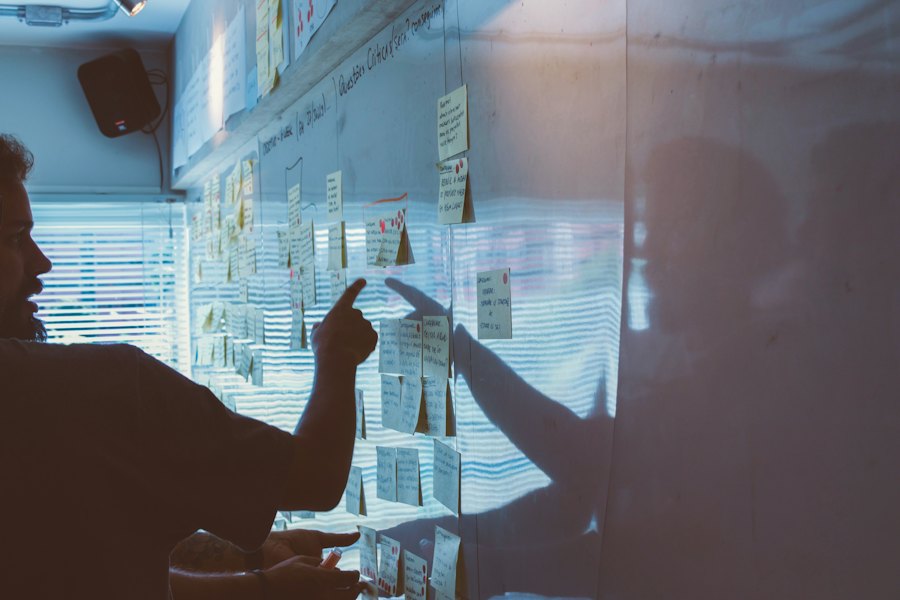
مراجعة القرارات الكبرى قبل اعتمادها بأدوات تحليل منظّمة تكشف الافتراضات الخفية والبدائل المهملة.
ما تحصل عليه:
جلسة «فحص الافتراضات الأساسية»
تحليل الفرضيات المتنافسة لقضية معقدة
تمرين «تخيّل الفشل مسبقاً» قبل إطلاق مشروع
مذكرة تشرح سبب القرار وشروط مراجعته
📌 الأساس العلمي: تشرح وكالة المخابرات المركزية الأمريكية هذه الأدوات في دليل منشور عام ٢٠٠٩، وأظهرت دراسة عام ١٩٨٩ أن تخيّل حدوث النتيجة مسبقاً يساعد على توليد تفسيرات أكثر. المصدر ↗
دراسات واستشارات🛡️
الفريق الأحمر واختبار السياسات
فريق مستقل يتحدّى الخطة أو السياسة قبل تطبيقها، ويبحث عن نقاط ضعفها كما سيبحث عنها المنتقدون والواقع.
ما تحصل عليه:
تشكيل فريق تحدٍّ مؤقت وتدريبه
مراجعة الخطة من منظور الأطراف المتأثرة
قائمة مخاطر ومؤشرات إنذار مبكر
ورشة لدمج الملاحظات في الخطة
📌 الأساس العلمي: أصدرت وزارة الدفاع البريطانية دليلاً للفريق الأحمر (الطبعة الثالثة ٢٠٢١) يتناول أثر التحيزات المعرفية على القرار، ويصلح للجهات المدنية والعسكرية. المصدر ↗
دراسات واستشارات🧪
الاستبصار السلوكي في الخدمات العامة
تصميم الخدمات والرسائل بحسب طريقة تفكير الناس الفعلية، ثم اختبارها على نطاق صغير قبل التعميم.
ما تحصل عليه:
تشخيص سلوكي لمشكلة محددة (مثل التأخر في الدفع أو ضعف الإقبال)
تصميم بدائل للرسائل والنماذج والإجراءات
تجربة مضبوطة لقياس الأثر
إطار أخلاقي للاستخدام الشفاف
📌 الأساس العلمي: رصدت منظمة التعاون الاقتصادي والتنمية أكثر من ٢٠٠ جهة تطبّق العلوم السلوكية في السياسات العامة حول العالم. المصدر ↗
تدريب وتأهيل🎓
تدريب الكوادر الحكومية
برامج تطبيقية للقيادات والموظفين على التفكير النقدي والتحيزات في القرار العام والتحليل المنظّم والتفاوض والحوار.
ما تحصل عليه:
برنامج للقيادات العليا (أيام مكثفة)
مسارات للموظفين التنفيذيين والمحللين
حالات وتمارين من واقع العمل الحكومي
قياس قبلي وبعدي لأثر التدريب
📌 الأساس العلمي: تجارب البنك الدولي على موظفيه وموظفي وزارة التنمية البريطانية أظهرت أن المهنيين في السياسات يقعون في فخاخ القرار، وأن النقاش المنظّم قد يخفف بعضها. المصدر ↗
تدريب وتأهيل👥
تأهيل الموارد البشرية
إدخال مهارات التفكير والتحليل في دورة حياة الموظف: من الاختيار إلى التطوير والترقية.
ما تحصل عليه:
إطار جدارات لمهارات التفكير والتحليل
أسئلة مقابلات ومهام تقييم مبنية على الجدارات
برنامج تأهيل للموظفين الجدد
تدريب مدرّبين داخليين لضمان الاستدامة
📌 الأساس العلمي: يشرح دليل النزاهة العامة الصادر عن منظمة التعاون الاقتصادي والتنمية (٢٠٢٠، ومتاح بالعربية) عناصر إدارة الموارد البشرية القائمة على الجدارة. المصدر ↗
تدريب وتأهيل📐
الاستشراف والتقدير الاحتمالي
تدريب فرق التخطيط على التعبير عن التوقعات بأرقام احتمالية، ومراجعتها لاحقاً لتحسين الدقة.
ما تحصل عليه:
ورشة في التقدير الاحتمالي
تمارين توقع على قضايا حقيقية
سجل لمتابعة دقة التوقعات
بناء سيناريوهات بديلة للتخطيط
📌 الأساس العلمي: في مسابقات توقع نظمها ذراع البحث في أجهزة الاستخبارات الأمريكية (٢٠١١–٢٠١٥)، كان أفضل المتوقعين المدرَّبين أدق بأكثر من ٣٠٪ من محللين لديهم معلومات سرية، بحسب الجهة التي أدارت المشروع. المصدر ↗
حوكمة ونزاهة🏛️
الحوكمة وجودة القرار
قواعد عمل تجعل القرار في الجهة موثقاً وقابلاً للمراجعة، وتقلل أثر التفكير الجماعي والاستعجال.
ما تحصل عليه:
بروتوكول لاتخاذ القرارات الكبرى
نموذج لتوثيق سبب القرار والبدائل المرفوضة
قواعد للاجتماعات تضمن سماع الرأي المخالف
مراجعة دورية للقرارات بعد تطبيقها
📌 الأساس العلمي: تؤكد توصية منظمة التعاون الاقتصادي والتنمية للنزاهة العامة على وضوح المسؤوليات ووضع أهداف ومؤشرات لقياس الفاعلية. المصدر ↗
حوكمة ونزاهة⚖️
لوائح النزاهة
إعداد وتحديث لوائح السلوك وتضارب المصالح وتقييم مخاطر النزاهة، مع تدريب عملي على المعضلات الأخلاقية.
ما تحصل عليه:
مدونة سلوك واضحة ومختصرة
سياسة إفصاح وإدارة تضارب المصالح
تقييم مخاطر النزاهة في الإجراءات
تدريب على حالات ومعضلات من الواقع
📌 الأساس العلمي: تقوم توصية النزاهة العامة (٢٠١٧) على ١٣ مبدأ، واتفاقية الأمم المتحدة لمكافحة الفساد تضم ١٩٢ دولة طرفاً. المصدر ↗
حوكمة ونزاهة🔓
الشفافية والمساءلة
نشر المعلومات وأسباب القرارات بلغة يفهمها الناس، وبناء قنوات واضحة للتواصل والشكاوى.
ما تحصل عليه:
سياسة نشر المعلومات وأسباب القرارات
دليل للكتابة بلغة واضحة للجمهور
مراجعة قنوات الشكاوى والرد عليها
مؤشرات للشفافية تُتابع دورياً
📌 الأساس العلمي: يربط مسح الثقة لمنظمة التعاون الاقتصادي والتنمية بين ثقة الناس وتصورهم لاستخدام الحكومة للأدلة وانفتاحها. المصدر ↗
تواصل ومجتمع📣
التواصل الحكومي ومواجهة التضليل
تحصين الجمهور قبل وصول الشائعة، وتدريب المتحدثين الرسميين على الرد الدقيق والسريع.
ما تحصل عليه:
حملات توعية تشرح أساليب التضليل
تدريب المتحدثين الرسميين وفرق الإعلام
خطة تواصل للأزمات
برامج مهارات التحقق للمدارس والمكتبات
📌 الأساس العلمي: في تجربة شملت نحو ٣٠ ألف مشارك، حسّنت مقاطع قصيرة عن أساليب التضليل قدرة المشاهدين على التعرف إليها، وتتصدر فنلندا مؤشر الثقافة الإعلامية الأوروبي منذ ٢٠١٧. المصدر ↗
تواصل ومجتمع💬
الحوار والمشاركة المجتمعية
تصميم وإدارة حوارات منظمة مع المواطنين حول القضايا العامة، تنتج توصيات مدروسة بدل الآراء المتسرعة.
ما تحصل عليه:
تصميم لجان مواطنين أو جلسات حوار عام
إعداد مواد معلومات متوازنة للمشاركين
تيسير محايد للنقاش
تقرير توصيات يُرفع للجهة
📌 الأساس العلمي: رصدت منظمة التعاون الاقتصادي والتنمية ٢٨٩ عملية تداولية تمثيلية بين ١٩٨٦ و٢٠١٩، مع تزايد واضح منذ ٢٠١٠. المصدر ↗
القرار العام الجيد ليس قراراً لا يخطئ، بل قرار مدروس، معلَن السبب، وقابل للمراجعة.مبدأ عمل Nexvera
أشكال التعاقد
نبدأ بما يناسب الجهة، ونتوسع حين يظهر الأثر
🌱
مشروع تجريبي
نطاق محدود ومدة قصيرة لاختبار الفكرة وقياس الأثر قبل التوسع.
📑
دراسة أو استشارة بنطاق محدد
شروط مرجعية ومخرجات وجدول زمني تُتفق عليها كتابياً.
🏫
برنامج تدريبي
دورة أو أكاديمية داخلية لفئة محددة من الموظفين، مع قياس للأثر.
🤝
اتفاقية إطارية
تعاون متعدد السنوات يجمع الدراسات والتدريب والاستشارات تحت خطة واحدة.
🧑💼
مستشار مقيم
خبير يعمل مع فريق الجهة لفترة محددة لنقل المنهج عملياً.
🔁
تدريب المدربين
إعداد مدربين من داخل الجهة مع المواد والحقوق اللازمة للاستمرار.
طريقة العمل
ست مراحل واضحة من التشخيص حتى التسليم
١
المرحلة ١
تشخيص
نفهم المشكلة والسياق والأطراف والبيانات المتاحة.
٢
المرحلة ٢
تصميم
نحدد الأهداف والمخرجات والمؤشرات كتابياً.
٣
المرحلة ٣
تجربة
نطبّق على نطاق صغير ونجمع الملاحظات.
٤
المرحلة ٤
تدريب
ننقل الأدوات إلى فريق الجهة.
٥
المرحلة ٥
قياس
نقارن النتائج بالمؤشرات المتفق عليها.
٦
المرحلة ٦
تسليم
نسلّم الأدوات والمواد ليستمر العمل دوننا.
🚩
قياس الأثر
كيف نعرف أن العمل نجح؟
📊
اختبارات قبلية وبعدية
لقياس التغير في مهارات المتدربين.
🗂️
مراجعة جودة القرار
نموذج تقييم لعينة من القرارات قبل البرنامج وبعده.
🧾
مؤشرات الخدمة
الشكاوى ومدة الإنجاز ونسب الإقبال بحسب الخدمة.
🗣️
رأي الجمهور
مسوح مختصرة للثقة والرضا قبل التدخل وبعده.
التزاماتنا
ما نلتزم به مع كل جهة
🔒
السرية وحماية البيانات
اتفاقية سرية قبل البدء، وجمع أقل قدر ممكن من البيانات الشخصية.
⚖️
الحياد السياسي
نعمل على جودة التفكير والقرار، ولا نتبنى مواقف حزبية.
📚
الأدلة أولاً
كل توصية مرتبطة بمصدر أو بيانات يمكن التحقق منها.
🌍
السياق المحلي
محتوى عربي وإنكليزي وأمثلة من البيئة الإدارية للجهة.
أسئلة شائعة
أسئلة تطرحها الجهات عادة
هل يمكن البدء بمشروع صغير؟
نعم. المشروع التجريبي هو البداية المعتادة، ويُبنى عليه بحسب النتائج.
بأي لغة تُقدَّم البرامج والتقارير؟
بالعربية أو الإنكليزية أو باللغتين، بحسب حاجة الجهة.
كيف تتعاملون مع البيانات الحساسة؟
نوقّع اتفاقية سرية، ونعمل بالحد الأدنى من البيانات، ونلتزم بالأنظمة المعمول بها لدى الجهة.
هل تتخذون مواقف من السياسات نفسها؟
لا. دورنا تحسين طريقة دراسة القرار وتوثيقه، والقرار يبقى للجهة المختصة.
كيف يُقاس أثر التدريب؟
باختبارات قبلية وبعدية، ومراجعة عينات من العمل الفعلي، ومؤشرات يُتفق عليها مسبقاً.
Well-reasoned public decisions. Institutions people trust.
We work with ministries, municipalities, regulators, and public institutions on studies, advisory work, staff training, workforce development, governance, integrity, and transparency, drawing on the science of thinking and decision-making and on published evidence.
🏛️ Ministries🏙️ Municipalities & local government⚖️ Oversight bodies🗳️ Legislatures🎓 Public administration institutes🤝 International organizations
Why now?
Why public institutions need a method for thinking and deciding
Public decisions touch millions of lives, and they're often made under time pressure, with incomplete information and plenty of media noise. The evidence shows that experts are just as prone to bias as anyone.
🧠
Expertise doesn't prevent bias
Experiments with staff at the World Bank and the UK's Department for International Development showed they read the same data differently when it touched their beliefs, and that structured discussion reduced some of those biases.
In the OECD's 2024 survey of 30 countries, 39% reported high or moderately high trust in their national government, while 44% reported low or no trust.
39%reported high or moderately high trust in their national government across 30 countries (2023)
13principles in the OECD Recommendation on Public Integrity (2017)
192States Parties to the UN Convention against Corruption
289representative deliberative processes recorded by the OECD, 1986–2019
Services
What we offer government and public institutions
Pick an area to filter the services. Each service is built around the institution and its goals, and deliverables are agreed in writing before work begins.
Studies & advisory🔎
Applied studies & research
Field studies that measure what the public and staff actually think, instead of relying on impressions.
What you get:
Surveys on trust and satisfaction with services
Mapping the information and rumor landscape around an issue
Analysis of how decisions get made inside the institution
A report with prioritized recommendations you can act on
📌 The evidence: The OECD runs a recurring survey on the drivers of trust in public institutions, with around 60,000 respondents. Source ↗
Studies & advisory🧭
Decision-making advisory
Reviewing major decisions before they're adopted, using structured analytic tools that expose hidden assumptions and overlooked alternatives.
What you get:
A "key assumptions check" session
Analysis of competing hypotheses on a complex issue
A pre-mortem exercise before a project launches
A memo laying out the reasoning behind the decision and the conditions for revisiting it
📌 The evidence: The CIA describes these techniques in a public primer from 2009; a 1989 study found that imagining an outcome has already happened helps people come up with more explanations for it. Source ↗
Studies & advisory🛡️
Red teaming & policy stress tests
An independent team challenges a plan or policy before it's implemented, hunting for weak spots the way critics, and reality, will.
What you get:
Assembling and training a temporary challenge team
Reviewing the plan through the eyes of the people it affects
A risk register with early-warning indicators
A workshop to fold the findings into the plan
📌 The evidence: The UK Ministry of Defence Red Teaming Handbook (3rd edition, 2021) addresses how cognitive biases affect decisions and applies to civilian and military bodies. Source ↗
Studies & advisory🧪
Behavioral insights for public services
Designing services and messages around how people actually think, then testing them on a small scale before rolling them out.
What you get:
A behavioral diagnosis of a specific problem (for example, late payments or low enrollment)
Alternative designs for letters, forms, and procedures
A controlled trial to measure impact
An ethics framework for using these tools transparently
📌 The evidence: The OECD has mapped more than 200 institutions worldwide that apply behavioral science to public policy. Source ↗
Training & workforce🎓
Training for public servants
Hands-on programs for leaders and staff on critical thinking, bias in public decisions, structured analysis, negotiation, and dialogue.
What you get:
A program for senior leadership (intensive sessions)
Tracks for managers and analysts
Cases and exercises drawn from government work
Pre- and post-measurement of training impact
📌 The evidence: World Bank experiments with its own staff and with staff at the UK's Department for International Development showed that policy professionals fall into decision traps, and that structured discussion may reduce some of them. Source ↗
Training & workforce👥
Workforce development
Building thinking and analysis skills into every stage of an employee's career, from hiring to development and promotion.
What you get:
A competency framework for thinking and analysis skills
Competency-based interview questions and assessment tasks
An onboarding program for new staff
Train-the-trainer programs for long-term sustainability
📌 The evidence: The OECD Public Integrity Handbook (2020, also available in Arabic) lays out the elements of merit-based workforce management. Source ↗
Training & workforce📐
Foresight & probabilistic forecasting
Training planning teams to state forecasts as probabilities and to review them later to improve accuracy.
What you get:
A workshop on probabilistic estimation
Forecasting exercises on real issues
A log for tracking forecast accuracy
Alternative scenarios for planning
📌 The evidence: In forecasting tournaments run by the U.S. intelligence community's research arm (2011 to 2015), the top trained forecasters were more than 30% more accurate than analysts with access to classified information, according to the organization that ran the project. Source ↗
Governance & integrity🏛️
Governance & decision quality
Working rules that keep decisions documented and reviewable, and that guard against groupthink and haste.
What you get:
A protocol for major decisions
A template for recording the reasoning and the alternatives that were rejected
Meeting rules that make sure dissent gets heard
Regular post-implementation reviews
📌 The evidence: The OECD Recommendation on Public Integrity stresses clear lines of responsibility and setting objectives and indicators to assess effectiveness. Source ↗
Governance & integrity⚖️
Integrity rules
Drafting and updating codes of conduct, conflict-of-interest rules, and integrity risk assessments, with hands-on training on ethical dilemmas.
What you get:
A clear, concise code of conduct
A policy for disclosing and managing conflicts of interest
An integrity risk assessment of procedures
Training built on real cases and dilemmas
📌 The evidence: The OECD Recommendation on Public Integrity (2017) rests on 13 principles; the UN Convention against Corruption has 192 States Parties. Source ↗
Governance & integrity🔓
Transparency & accountability
Publishing information and the reasoning behind decisions in language people understand, and building clear channels for feedback and complaints.
What you get:
A policy for publishing information and the reasoning behind decisions
A plain-language writing guide
A review of complaint channels and how they're handled
Transparency indicators tracked over time
📌 The evidence: The OECD Trust Survey links public trust to how people view government's use of evidence and its openness. Source ↗
Communication & civic life📣
Government communication & countering disinformation
Building public resilience before a rumor arrives, and training spokespeople to respond quickly and accurately.
What you get:
Awareness campaigns that explain manipulation techniques
Training for spokespeople and press teams
A crisis communication plan
Verification-skills programs for schools and libraries
📌 The evidence: In experiments with nearly 30,000 participants, short videos on manipulation techniques improved viewers' ability to recognize them; Finland has topped the European Media Literacy Index since 2017. Source ↗
Communication & civic life💬
Dialogue & civic engagement
Designing and running structured dialogues with citizens on public issues, so they produce considered recommendations rather than snap opinions.
What you get:
Designing citizens' panels or public dialogue sessions
Balanced briefing materials for participants
Neutral facilitation
A recommendations report for the institution
📌 The evidence: The OECD recorded 289 representative deliberative processes between 1986 and 2019, with a clear rise since 2010. Source ↗
A good public decision is not one that is never wrong; it is one that is well reasoned, explains its rationale, and can be reviewed.A Nexvera working principle
How we engage
We start with what fits your institution, and scale up once the impact is clear
🌱
Pilot
A limited scope and a short timeline to test the idea and measure impact before scaling up.
📑
Fixed-scope study or advisory engagement
Terms of reference, deliverables, and timeline agreed in writing.
🏫
Training program
A course or in-house academy for a defined group of staff, with impact measurement built in.
🤝
Framework agreement
A multi-year partnership that brings studies, training, and advisory work together under one plan.
🧑💼
Embedded advisor
An expert who works alongside your team for a set period to pass on the method in practice.
🔁
Train-the-trainer
Preparing in-house trainers, with the materials and rights they need to carry the work forward.
How we work
Six clear stages, from diagnosis to handoff
1
Step 1
Diagnose
We get to know the problem, the context, the stakeholders, and the data available.
2
Step 2
Design
We set goals, deliverables, and indicators in writing.
3
Step 3
Pilot
We try it out on a small scale and gather feedback.
4
Step 4
Train
We transfer the tools to your team.
5
Step 5
Measure
We compare results against the agreed indicators.
6
Step 6
Hand off
We hand over the tools and materials so the work keeps going without us.
🚩
Measuring impact
How do we know it worked?
📊
Pre- and post-tests
To measure how participants' skills changed.
🗂️
Decision-quality review
A scoring rubric applied to a sample of decisions, before and after.
🧾
Service indicators
Complaints, processing times, and enrollment rates for each service.
🗣️
Public feedback
Short trust and satisfaction surveys before and after the intervention.
Our commitments
What we commit to with every institution
🔒
Confidentiality & data protection
A confidentiality agreement before work begins, and only the personal data we truly need.
⚖️
Political neutrality
We work on the quality of thinking and decisions, and we take no partisan positions.
📚
Evidence first
Every recommendation ties back to a source or data you can check.
🌍
Local context
Content in Arabic and English, with examples drawn from your institution's own administrative setting.
FAQ
Questions institutions often ask
Can we start small?
Yes. A pilot is the usual starting point, and further work builds on what it shows.
What language are programs and reports delivered in?
Arabic, English, or both, depending on what your institution needs.
How do you handle sensitive data?
We sign a confidentiality agreement, work with the minimum data necessary, and follow the regulations that apply to your institution.
Do you take positions on the policies themselves?
No. Our role is to improve how decisions are studied and documented; the decision itself stays with the responsible authority.
How is training impact measured?
Through pre- and post-tests, reviews of real work samples, and indicators agreed up front.







 دراسات واستشارات🔎
 دراسات واستشارات🧭
 دراسات واستشارات🛡️
 دراسات واستشارات🧪
 تدريب وتأهيل🎓
 تدريب وتأهيل👥
 تدريب وتأهيل📐
 حوكمة ونزاهة🏛️
 حوكمة ونزاهة⚖️
 حوكمة ونزاهة🔓
 تواصل ومجتمع📣
 تواصل ومجتمع💬