عن Nexvera · رؤيتنا

نحو عالمٍ أرقى فكراً وأعظم رسالة

نسعى إلى المساهمة في صناعة التغيير، ونشر الوعي، وتمكين الأجيال الجديدة من أدوات التفكير السليم، وإطلاق ممكنات الإنسان، بشراكة مع المجتمعات المحلية والمؤسسات والجهات العلمية والأكاديمية.

🌍 معرفة بلا حدود🧠 التفكير الناقد❓ حرية السؤال🤝 التعددية والتعايش💡 الإبداع والابتكار

رؤيتنا

مجتمعات تفكّر بوضوح، وتسأل بحرية، وتختلف باحترام، وتتعاون من أجل رفاهية الإنسان.

رسالتنا

أن ننشر ثقافة التفكير الناقد، ونمنح الناس أدواته عملياً، ونبني معهم بناءً معرفياً متيناً يصمد أمام التحيز والشائعة والخرافة.

مبدؤنا

نعلّم كيف نفكر، لا ماذا نفكر. ونحترم حق كل إنسان في أن يصل إلى قناعاته بنفسه.

لماذا الآن؟

العالم يتغيّر أسرع من قدرتنا على التحقق

ثلاثة أسباب تجعل التفكير الناقد مهارة أساسية اليوم، لا ترفاً فكرياً:

💼

سوق العمل يطلبه أولاً

في تقرير مستقبل الوظائف ٢٠٢٥ الصادر عن المنتدى الاقتصادي العالمي، بقي التفكير التحليلي أكثر المهارات الأساسية طلباً، إذ يعدّه سبعة من كل عشرة أصحاب عمل مهارة أساسية.

المصدر ↗
📣

الخبر الكاذب أسرع من الحقيقة

وجدت دراسة من معهد ماساتشوستس للتكنولوجيا، نُشرت في مجلة «ساينس»، أن الأخبار الكاذبة تنتشر على تويتر أوسع وأسرع من الأخبار الصحيحة، وأن احتمال إعادة نشرها أعلى بنحو ٧٠٪.

المصدر ↗
📈

والتفكير الناقد قابل للتعلّم

جمع تحليل شامل ٣٤١ نتيجة تجريبية، فوجد أن تعليم التفكير الناقد يحسّنه فعلاً، وأن أقوى الأثر يأتي من الجمع بين الحوار والمشكلات الواقعية والإرشاد.

المصدر ↗

أرقام تدعم ما نعمل عليه

٧ من ١٠أصحاب عمل يعدّون التفكير التحليلي مهارة أساسية في تقرير ٢٠٢٥
٧٠٪احتمال أعلى لإعادة نشر الخبر الكاذب مقارنة بالصحيح على تويتر
٥١٥دراسة في تحليل شامل وجد أن التواصل بين الجماعات المختلفة يقلل التحيز ضدها عادةً
٠٫٥٧حجم الأثر حين يجتمع الحوار والمشكلات الواقعية والإرشاد في تعليم التفكير الناقد

ما نسعى إليه

ثمانية أهداف ترسم طريقنا

كل هدف مرتبط بأدلة منشورة توضح لماذا هو مهم، وكيف يمكن العمل عليه.

١

صناعة التغيير ونشر الوعي

نبدأ من وعي الفرد بطريقة تفكيره، لأن التغيير في المجتمع يبدأ من تغيّر طريقة نظر أفراده إلى الأمور.

📌 تعليم التفكير الناقد بشكل صريح يحسّنه بأثر قابل للقياس في كل المراحل الدراسية. المصدر ↗

٢

تمكين الأجيال الجديدة

نضع بين أيدي الشباب أدوات التفكير السليم: كشف التحيز، وتقييم الحجة، وطرح السؤال الجيد.

📌 يعدّ سبعة من كل عشرة أصحاب عمل التفكير التحليلي مهارة أساسية. المصدر ↗

٣

ثقافة السؤال الحر

نوسّع آفاق طرح الأسئلة بحرية، ونرفع سقف حرية التفكير، لأن السؤال الجيد بداية كل فهم.

📌 تعليم الطلاب صياغة الأسئلة حسّن فهمهم للمقروء في مراجعة شاملة لدراسات التدخل. المصدر ↗

٤

إطلاق الإبداع والابتكار

نشجّع التفكير المختلف، ونعلّم كيف يتحول التناقض والاختلاف إلى أفكار جديدة.

📌 الفرق التي تتقبّل التناقض وتتعمق في فهمه أنتجت أفكاراً أكثر إبداعاً في دراسات تجريبية. المصدر ↗
٥

التعددية والتعايش السلمي

نشجّع المجتمعات على تقبّل التعدد والاختلاف، والتعاون على أساس الاحترام المتبادل.

📌 يدعو الهدف ٤٫٧ من أهداف التنمية المستدامة إلى تعليم يعزز ثقافة السلام واللاعنف وتقدير التنوع الثقافي. المصدر ↗

٦

مدّ جسور التواصل

نجمع الناس من خلفيات مختلفة على طاولة واحدة، ونبتعد عن التحيز والتمركز حول الذات والجماعة.

📌 وجد تحليل شامل لـ٥١٥ دراسة أن التواصل بين الجماعات يقلل التحيز عادةً. المصدر ↗

٧

الصدق مع النفس ومحاربة التزييف

نعلّم الواقعية والصدق مع النفس، ونحصّن الناس ضد الجهل والشائعة والتزييف والخرافة.

📌 تعريض الناس مسبقاً لأساليب التضليل يساعدهم على تمييزها لاحقاً، بحسب تجارب منشورة على نطاق واسع. المصدر ↗

٨

الدافعية والفاعلية الإنسانية

نعزز إيمان الإنسان بقدرته على التعلم والتغيير، في سبيل نجاحه وراحته وأمنه واستقراره.

📌 تدخل قصير يعلّم أن القدرات العقلية قابلة للنمو حسّن درجات الطلاب الأضعف أداءً في تجربة وطنية في الولايات المتحدة. المصدر ↗

أدواتنا

كيف نوصل الفكرة إلى الناس

نستخدم أدوات متعددة لأن الناس يتعلمون بطرق مختلفة، ولأن التفكير الناقد يُتعلَّم بالممارسة والحوار لا بالتلقين وحده.

الدورات التدريبية

مسارات منظمة تبدأ من العقبات المعرفية وتنتهي بإطلاق الممكنات.

اللقاءات الفردية والجماعية

إرشاد شخصي وورش صغيرة تتيح التطبيق على مواقف حقيقية.

طاولات الحوار

نقاشات منظمة بين أصحاب آراء مختلفة، بقواعد تحفظ الاحترام.

المؤتمرات والفعاليات

منصات تجمع الباحثين والمربين وصنّاع القرار حول التفكير السليم.

الاجتماعات واللقاءات العامة

لقاءات مفتوحة مع المجتمعات المحلية حول قضاياها.

وسائل التواصل الاجتماعي

محتوى قصير وواضح يصل إلى الناس حيث هم، بالعربية والإنكليزية.

📌 الأساس العلمي: أظهر التحليل الشامل لتعليم التفكير الناقد أن الحوار والمشكلات الواقعية والإرشاد من أكثر الطرق أثراً، وهي جوهر أدواتنا. المصدر ↗

بشراكة مع

لا نعمل وحدنا

نؤمن بأن التغيير الحقيقي يُصنع مع الناس لا لهم. لذلك نبني شراكات مع:
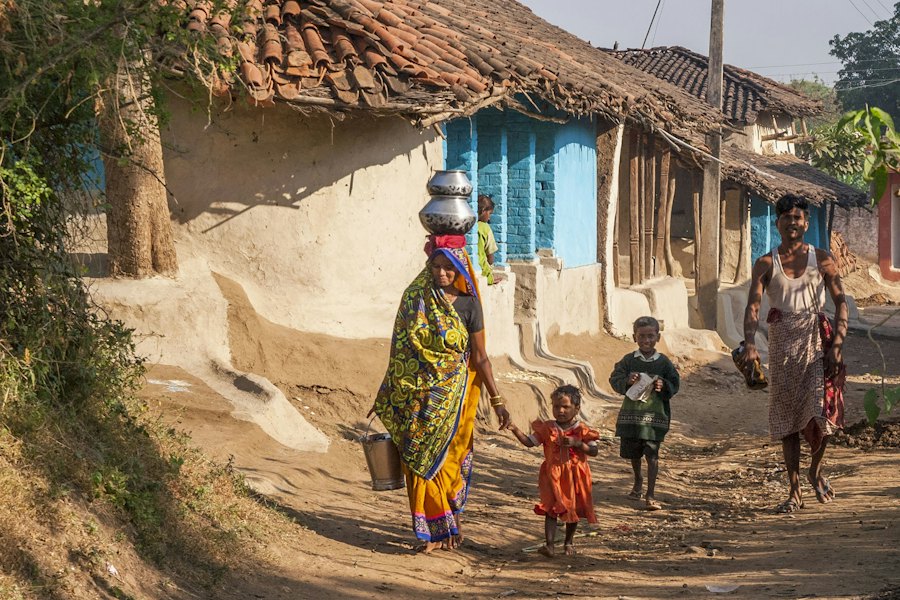
المجتمعات المحلية

لنفهم قضاياها، ونصمم معها برامج تناسب واقعها.

المؤسسات

الحكومية والخاصة وغير الربحية، لبناء ثقافة قرار أكثر وعياً.
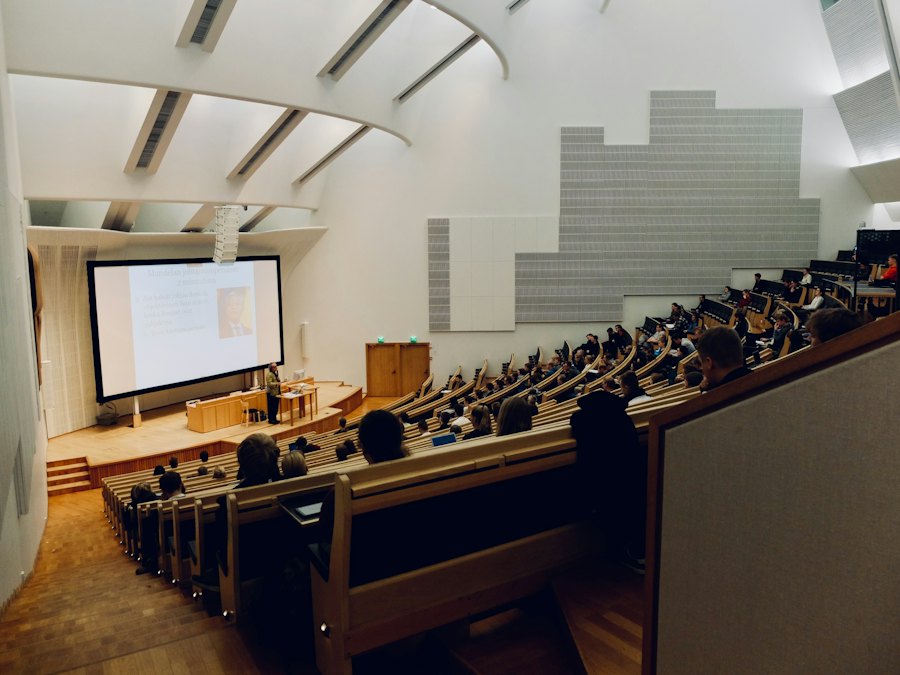
الجهات العلمية والأكاديمية

الجامعات ومراكز البحث، لنبني عملنا على الدليل ونقيس أثره.
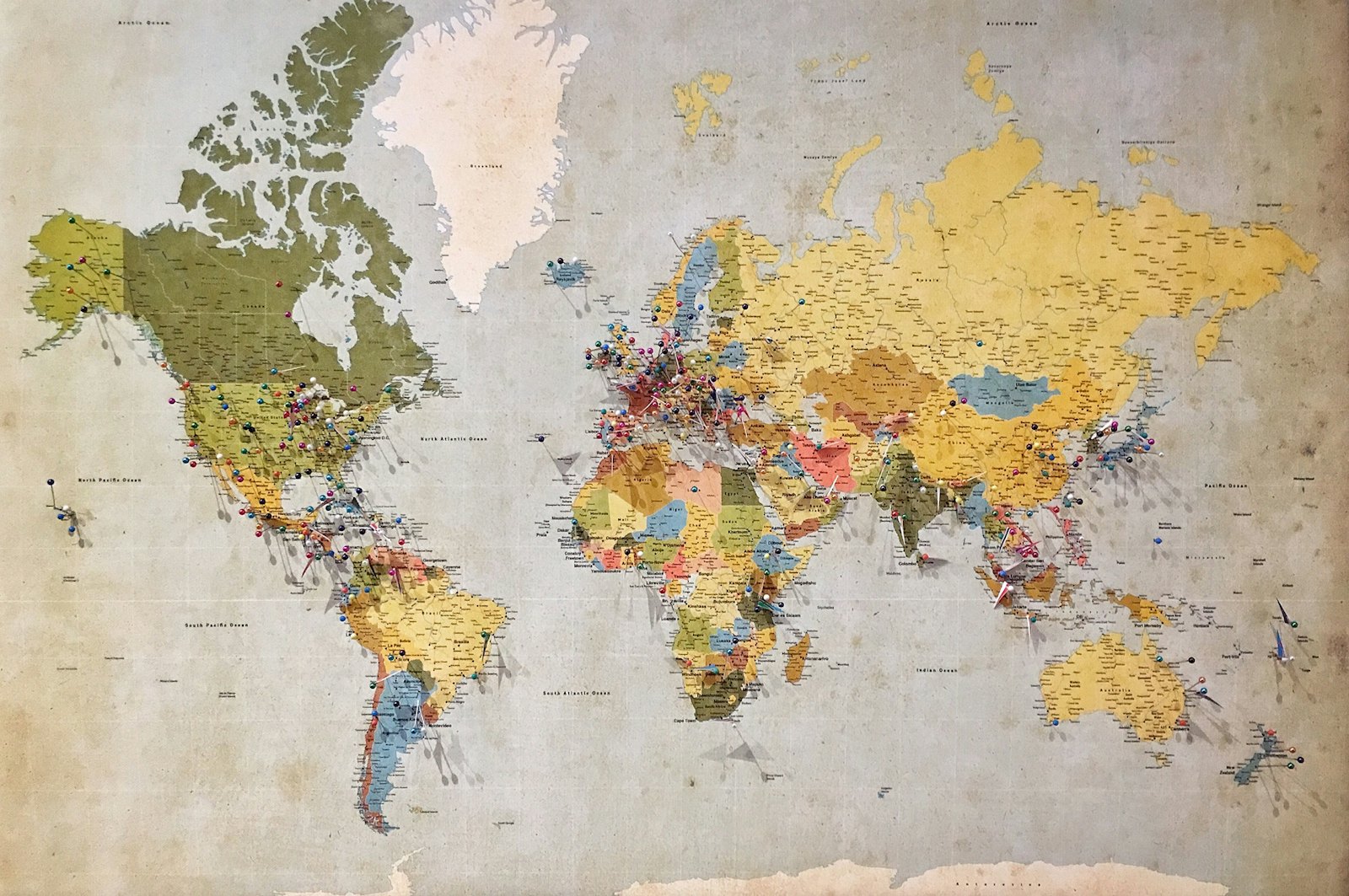
معرفة بلا حدودتمتين البناء المعرفي للإنسان: من شعارات Nexvera

كيف نصنع التغيير

من وعي الفرد إلى أثر في المجتمع

  1. المرحلة ١

    الوعي

    أن يكتشف الإنسان كيف يفكر، وأين يخطئ.

  2. المرحلة ٢

    الأدوات

    أن يمتلك أدوات عملية للتفكير السليم.

  3. المرحلة ٣

    الممارسة

    أن يطبّقها على مواقف حقيقية.

  4. المرحلة ٤

    الحوار

    أن يختبر أفكاره مع المختلفين عنه.

  5. المرحلة ٥

    الأثر

    أن ينقل ما تعلّمه إلى أسرته وعمله ومجتمعه.

أسئلة شائعة

عن رؤيتنا

هل لـNexvera توجه سياسي أو عقائدي؟

نعلّم كيف نفكر، لا ماذا نفكر. أدواتنا تساعد الإنسان على تقييم الحجج بنفسه، أياً كانت قناعاته.

لمن تقدّمون خدماتكم؟

للأفراد والشباب والمربين، وللمؤسسات والجهات الحكومية والجامعات ومراكز البحث.

بأي لغة تعملون؟

بالعربية والإنكليزية، في المحتوى والدورات واللقاءات.

كيف نصبح شركاء؟

راسلونا من صفحة التواصل، وأخبرونا بمجتمعكم أو مؤسستكم وما تحتاجونه.

ⓘ الدراسات والأرقام المذكورة منشورة ومرفقة بروابطها، وذكرها لا يعني أن الجهات أو الباحثين المذكورين يتعاونون مع Nexvera.

هل تشاركنا هذه الرؤية؟

سواء كنت فرداً أو مؤسسة أو جهة أكاديمية، يسعدنا أن نتحدث عن طرق العمل معاً.

About Nexvera · Vision

Sharper minds. Bolder purpose.

Nexvera exists to make good thinking a habit rather than an exception. We work with communities, schools, institutions, and researchers to give the next generation the tools to weigh evidence, question claims, and act on what they find.

🌍 Knowledge without borders🧠 Critical thinking❓ The freedom to ask🤝 Pluralism💡 Creativity

Vision

Communities that reason carefully, ask hard questions without fear, disagree without contempt, and still find ways to work together.

Mission

To make critical thinking a working habit rather than an academic subject, and to help people build knowledge sturdy enough to withstand bias, rumor, and superstition.

Principle

We teach how to think, not what to think. Where people land is up to them.

Why now

Information moves faster than our ability to check it

Critical thinking was long treated as a seminar-room virtue. Three findings suggest it has become a practical necessity:

💼

Employers rank it first

In the World Economic Forum's Future of Jobs Report 2025, analytical thinking again topped the list of core skills; seven in ten employers called it essential.

Source ↗
📣

Falsehood outruns the truth

MIT researchers, publishing in Science, tracked news stories on Twitter and found that false ones traveled farther and faster than true ones, and were about 70% more likely to be retweeted.

Source ↗
📈

It can be taught

A meta-analysis of 341 experimental effects found that instruction does improve critical thinking, and works best when students argue things out, tackle real problems, and have a mentor.

Source ↗

The numbers behind our work

7 in 10employers call analytical thinking a core skill (WEF, 2025)
70%more likely to be retweeted: false stories compared with true ones
515studies in a meta-analysis showing that contact between groups usually reduces prejudice
0.57effect size when dialogue, real problems, and mentoring are combined in teaching critical thinking

What we're working toward

Eight commitments

Each is tied to published research on why it matters and what actually works.

1

Change starts with one person

Communities change when the people in them start noticing how they think. That is where we begin.

📌 Explicit instruction in critical thinking produces measurable gains at every level of education. Source ↗

2

Equipping the next generation

We give young people practical tools: how to spot a bias, take an argument apart, and ask a question worth answering.

📌 Seven in ten employers consider analytical thinking a core skill. Source ↗

3

Room to ask anything

We push for spaces where questions aren't policed, because understanding usually begins with a good question, not a ready answer.

📌 In a review of intervention studies, teaching students to write their own questions improved reading comprehension. Source ↗

4

Creativity through friction

We encourage people to think differently, and show them how tension and disagreement can turn into new ideas.

📌 In experimental studies, teams that leaned into contradictions instead of smoothing them over produced more creative ideas. Source ↗

5

Pluralism and coexistence

We help communities treat difference as normal, and cooperate on the basis of mutual respect.

📌 UN Sustainable Development Goal target 4.7 calls for education that promotes a culture of peace and non-violence and an appreciation of cultural diversity. Source ↗

6

Building bridges

We bring people from different backgrounds to the same table, and help them look past tribal loyalties and their own blind spots.

📌 A meta-analysis of 515 studies found that contact between groups typically reduces prejudice. Source ↗

7

Honesty, starting with ourselves

We teach people to be honest with themselves first, and to hold the line against ignorance, rumor, fabrication, and superstition.

📌 Large published experiments show that exposing people in advance to common manipulation techniques helps them recognize those techniques later. Source ↗

8

Agency

We reinforce a simple idea: people can learn and change. What they believe about that shapes how they work, how they cope, and how far they go.

📌 A brief intervention teaching that intellectual abilities can be developed raised grades among lower-achieving students in a U.S. national experiment. Source ↗

How we work

Six ways we reach people

People learn in different ways, and nobody learns to think critically from lectures alone. So we use a mix of formats, most of them built around practice and conversation.

Courses

Structured tracks that start with what blocks clear thinking and end with what it makes possible.

One-on-one and group sessions

Mentoring and small workshops where skills are applied to real situations, not textbook cases.

Dialogue tables

Moderated conversations between people who disagree, with ground rules that keep the exchange civil.

Conferences and events

Gatherings that put researchers, educators, and decision-makers in the same room.

Town halls

Open meetings with local communities about the issues they actually care about.

Social media

Short, clear pieces in Arabic and English that meet people where they already are.

📌 The evidence: The same meta-analysis found dialogue, real-world problems, and mentoring among the most effective ways to teach critical thinking. All three sit at the center of what we do. Source ↗

Partners

We don't do this alone

Lasting change is made with people, not for them. We work alongside:

Local communities

To understand what they're facing and design programs that fit.

Institutions

Public, private, and nonprofit, to help build cultures where decisions get thought through.

Universities and research centers

So our work stays grounded in evidence and its impact can be measured.

Knowledge without bordersA Nexvera motto, and a commitment to knowledge that lasts

Our theory of change

From one person's awareness to a community's

  1. Stage 1

    Awareness

    Seeing how you think, and where you tend to go wrong.

  2. Stage 2

    Tools

    Learning practical methods for reasoning well.

  3. Stage 3

    Practice

    Using them on real problems.

  4. Stage 4

    Dialogue

    Testing your ideas against people who see things differently.

  5. Stage 5

    Impact

    Taking it home: to your family, your work, your community.

FAQ

Questions about our vision

Does Nexvera have a political or ideological agenda?

No. We teach how to think, not what to think. Our tools help people judge arguments on their merits, whatever their politics or faith.

Who do you work with?

Individuals, students, and educators, along with institutions, government agencies, universities, and research centers.

What languages do you work in?

Arabic and English, across our content, courses, and events.

How can we partner with you?

Reach out through our contact page and tell us about your community or organization and what you have in mind.

ⓘ Every study and figure cited here is published and linked. Citing research does not imply any affiliation between its authors or institutions and Nexvera.

Share this vision?

Whether you're an individual, an institution, or a research team, we'd like to hear from you.

Last modified: Thursday, 19 November 2026, 1:15 AM